The Uncomfortable Truth About Milan Design Week
Milan Design Week may still be the industry’s most influential stage, but as consumer brands continue to flood in, a harder truth emerges: the line between meaningful engagement and marketing theatre is wearing thin
Design is an inherently optimistic pursuit; it’s one of the things I love most about this industry. The other is its borderlessness, and last week’s Salone del Mobile in Milan offered a timely reminder of how open, multicultural and multilingual this sector is, intersecting with everything from politics to medicine to hospitality. Once a decorative trade, the design industry is now uniquely interconnected and attuned to the global economy in ways few others are.
But I spent much of the week fighting a cynical internal monologue as I listened to brands trying to extract meaning from the most vacuous of inventions. Sycophancy has replaced critical discourse, with vain and incoherent spectacles designed to maximise online impressions and little else. ‘Design’ is being widely misused to describe things that simply aren’t design. Conversations throughout the week confirmed this feeling was widely held, but those conversations largely took place in private, with few willing to criticise the companies they depend on for their livelihoods.
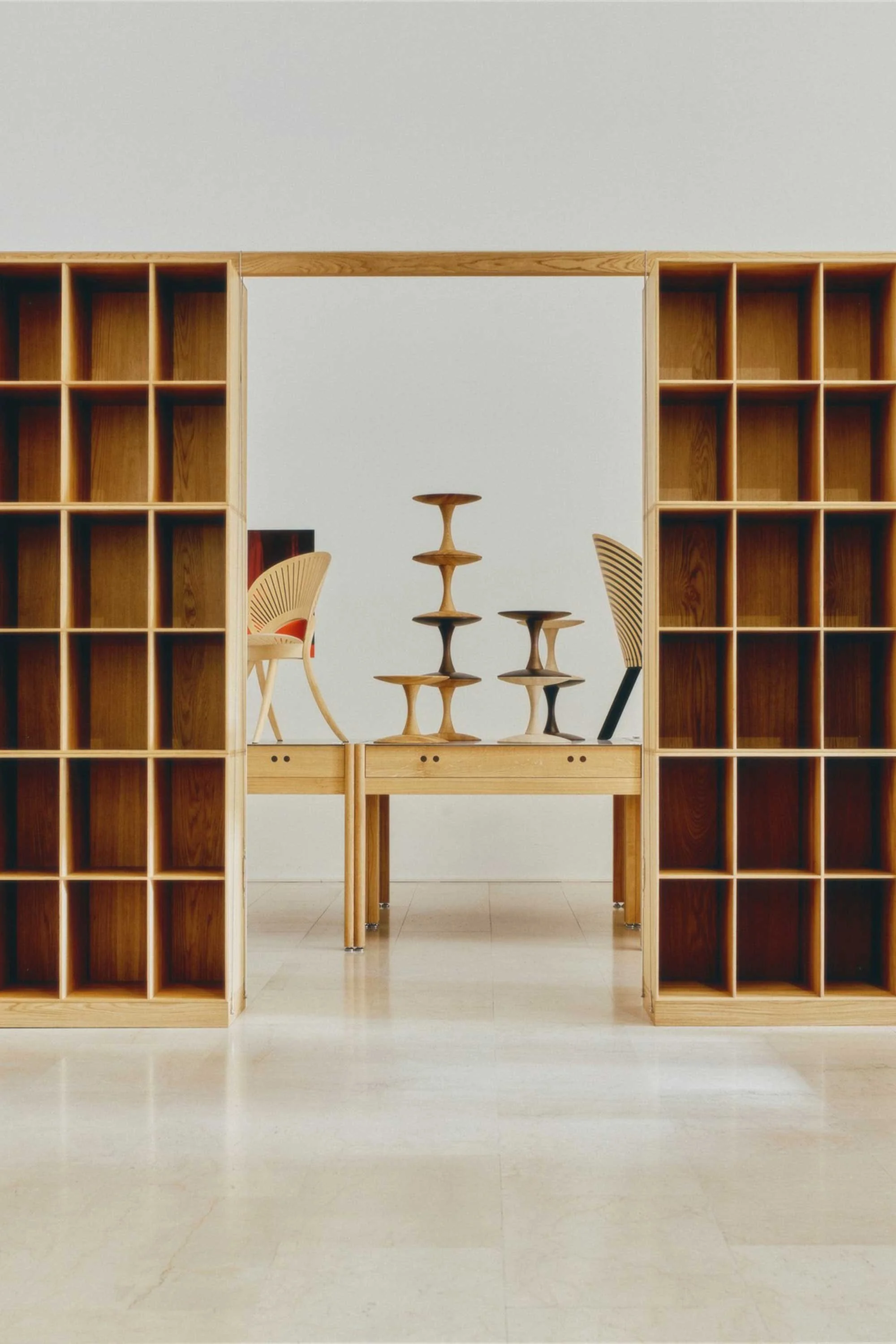

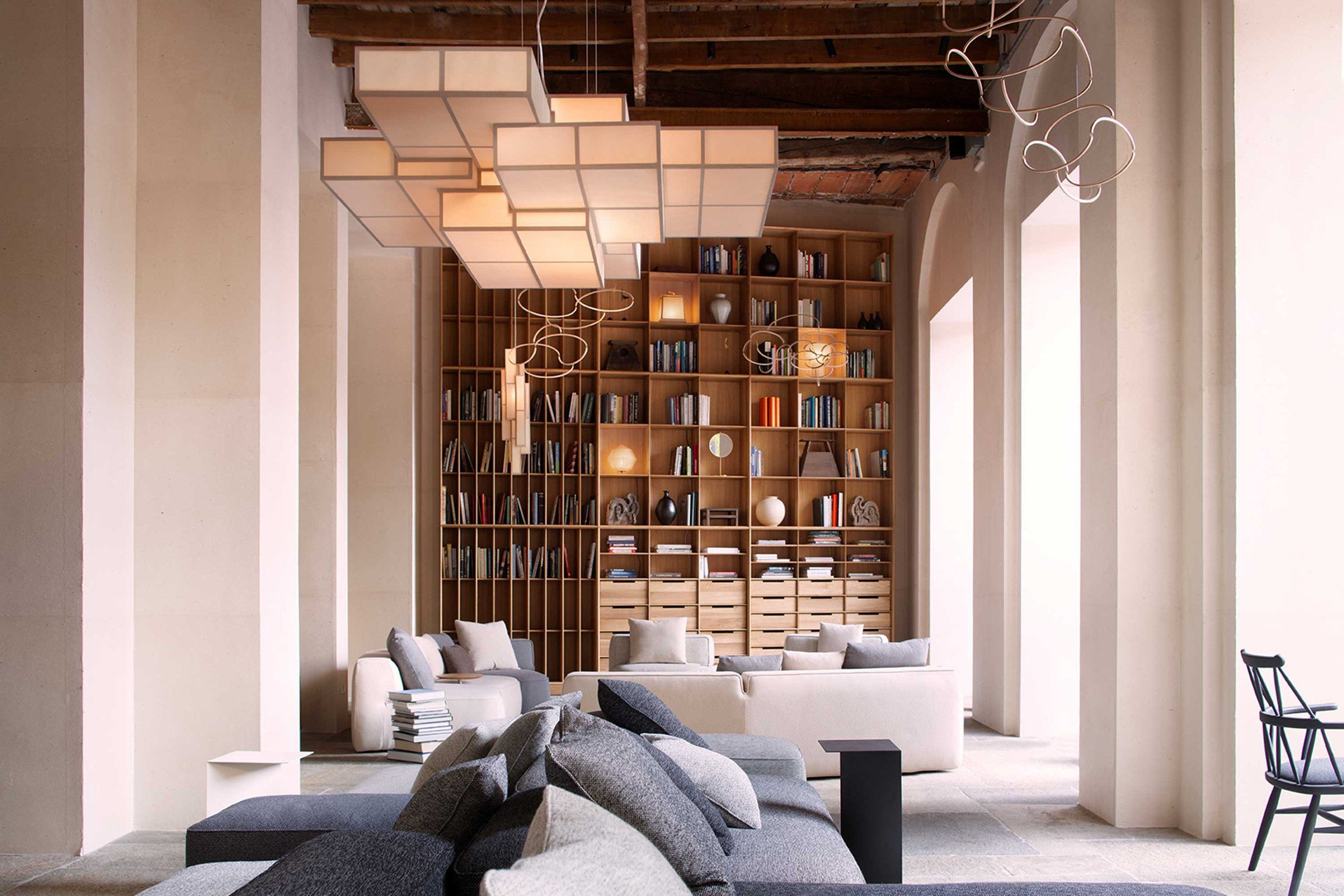
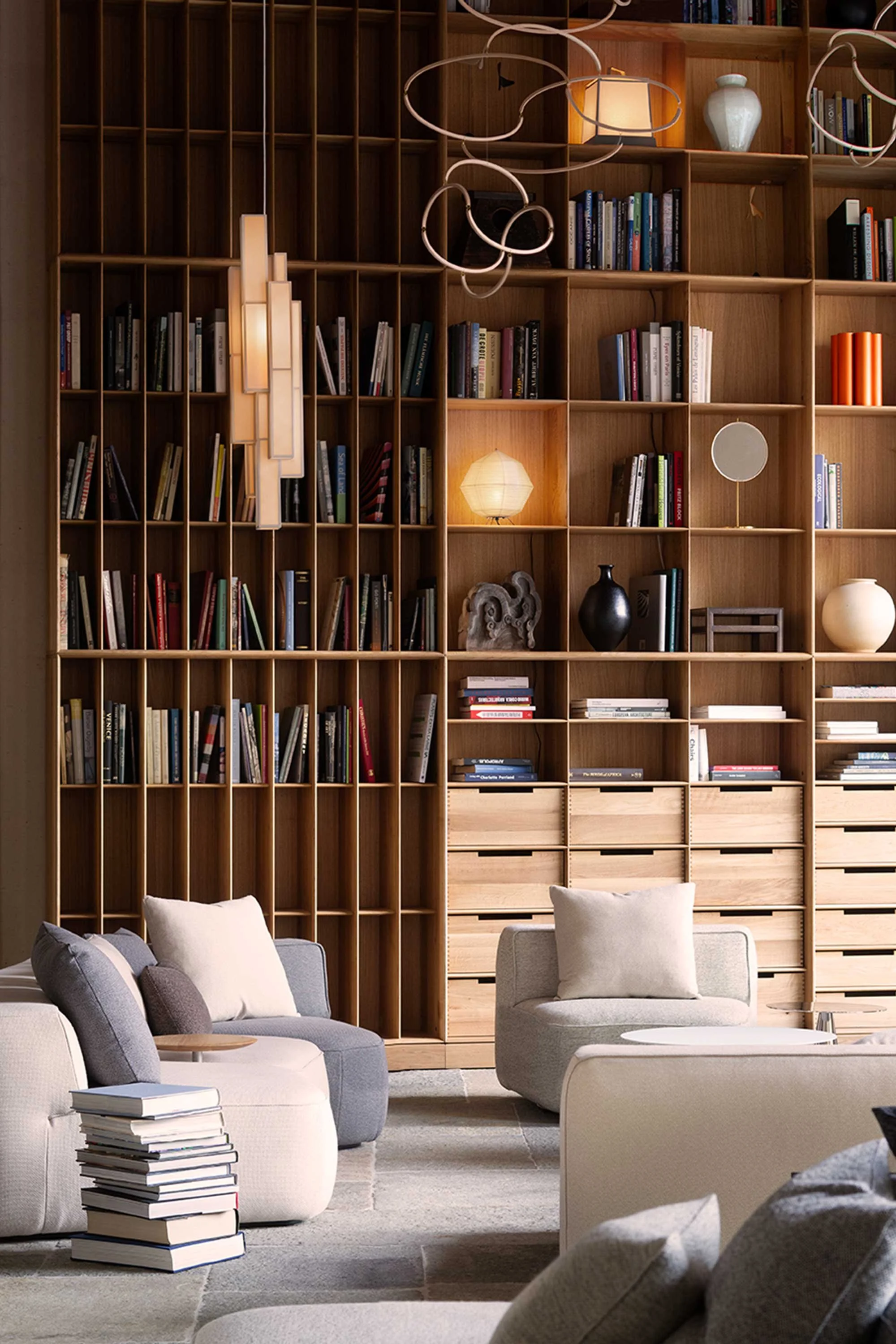
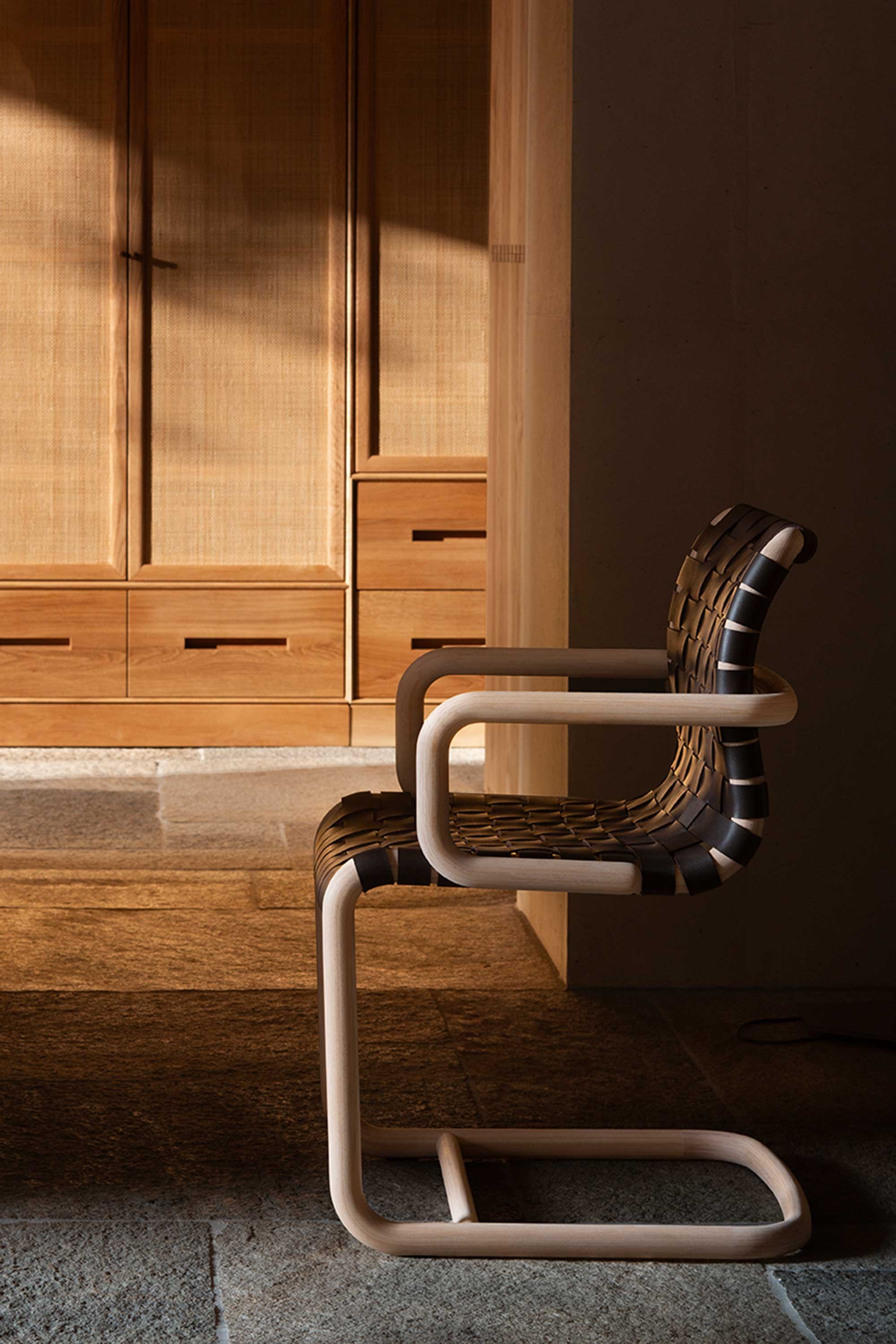
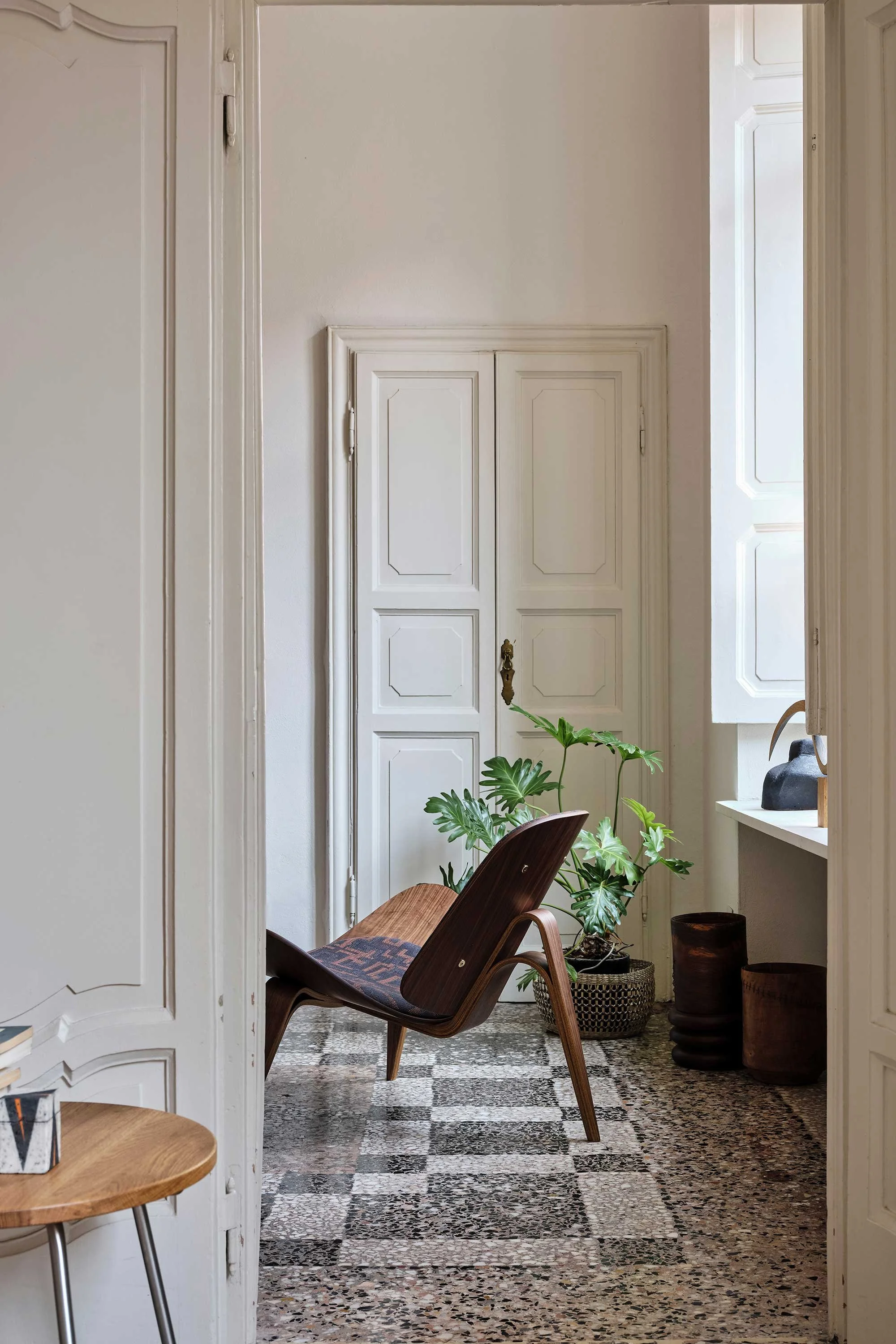
Many brands do get it right. Fredericia, Bottega Veneta, Carl Hansen & Søn and Time & Style offered a reminder that when brands stay close to their core expertise — whether through collaborations with emerging designers and curators, or exhibitions drawn from their archives — design can be presented with clarity and restraint, free from spectacle.
The problem isn’t scale, though. Big consumer brands thinking seriously about craft and design is healthy, and the view that corporate juggernauts — from cars to fashion to technology — are drowning out ‘real design’ misses the point. These are companies whose customers aren’t your typical design week-goers, and who wouldn’t necessarily consider what they consume ‘design’. They’ve likely found this industry through something familiar — a car, a watch, the frying pan in their kitchen. These consumers shouldn’t be treated as somehow lesser. The industry’s openness — the fact that it isn’t reserved for a well-to-do elite — is one of its strengths. The risk is that design becomes insular: designers making only for their peers and a narrow set of patrons, rather than the consumers ready to be shown why good design is a critical tool for the betterment of their world.
Fortunately, if you can dodge the undignified queues and QR codes, Milan still offers the best opportunity to discuss ideas like this with people from all corners of the globe, from household names to emerging practitioners trying to carve out a pocket-sized patch in a noisy city. One Singaporean designer told me he’d brought almost his entire company to Milan for the week, at significant expense, to invest in building a team of the best possible humans as machines quickly take on more repetitive tasks. That means seeing things, meeting people and asking serious questions, with curiosity and a healthy degree of scepticism.
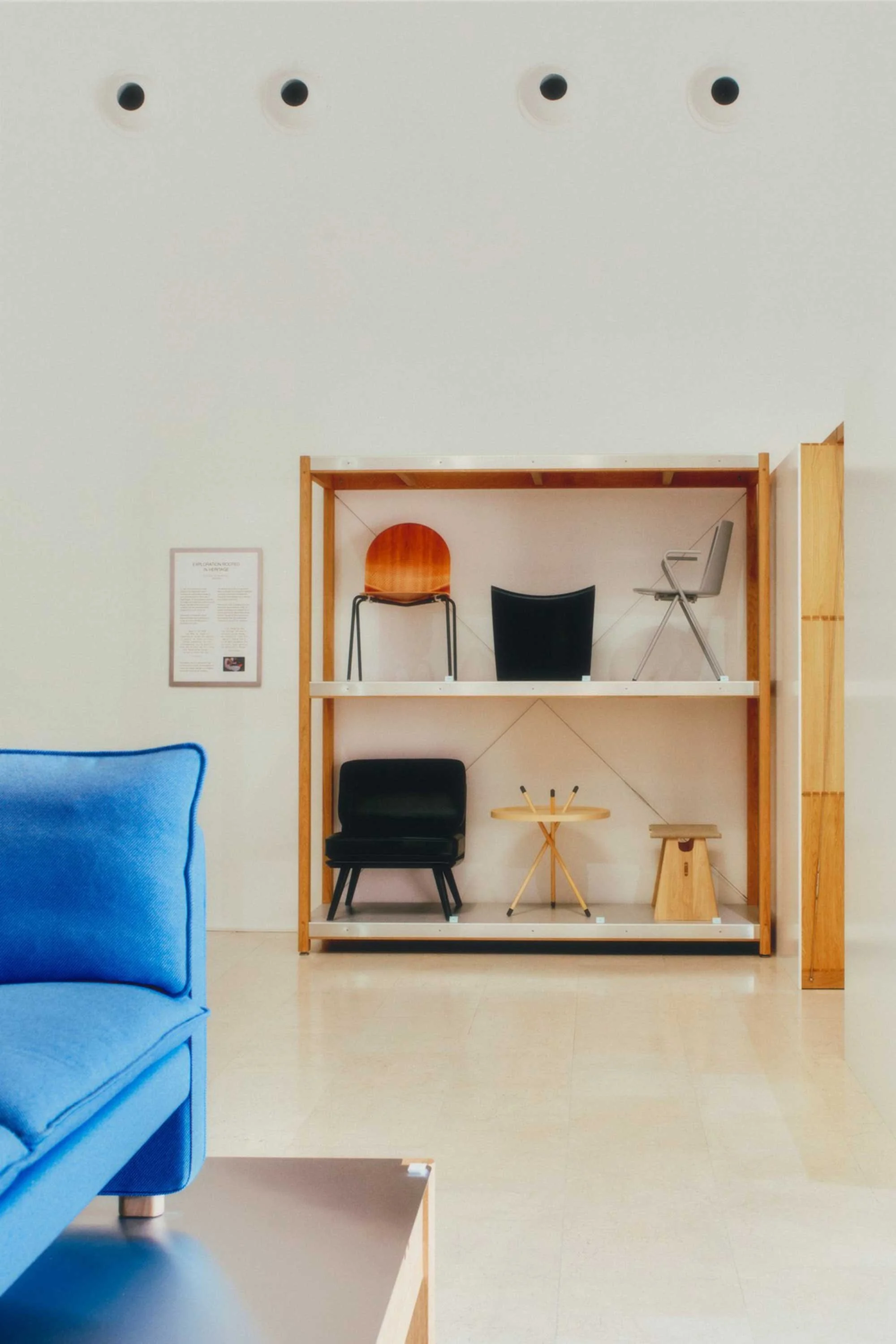
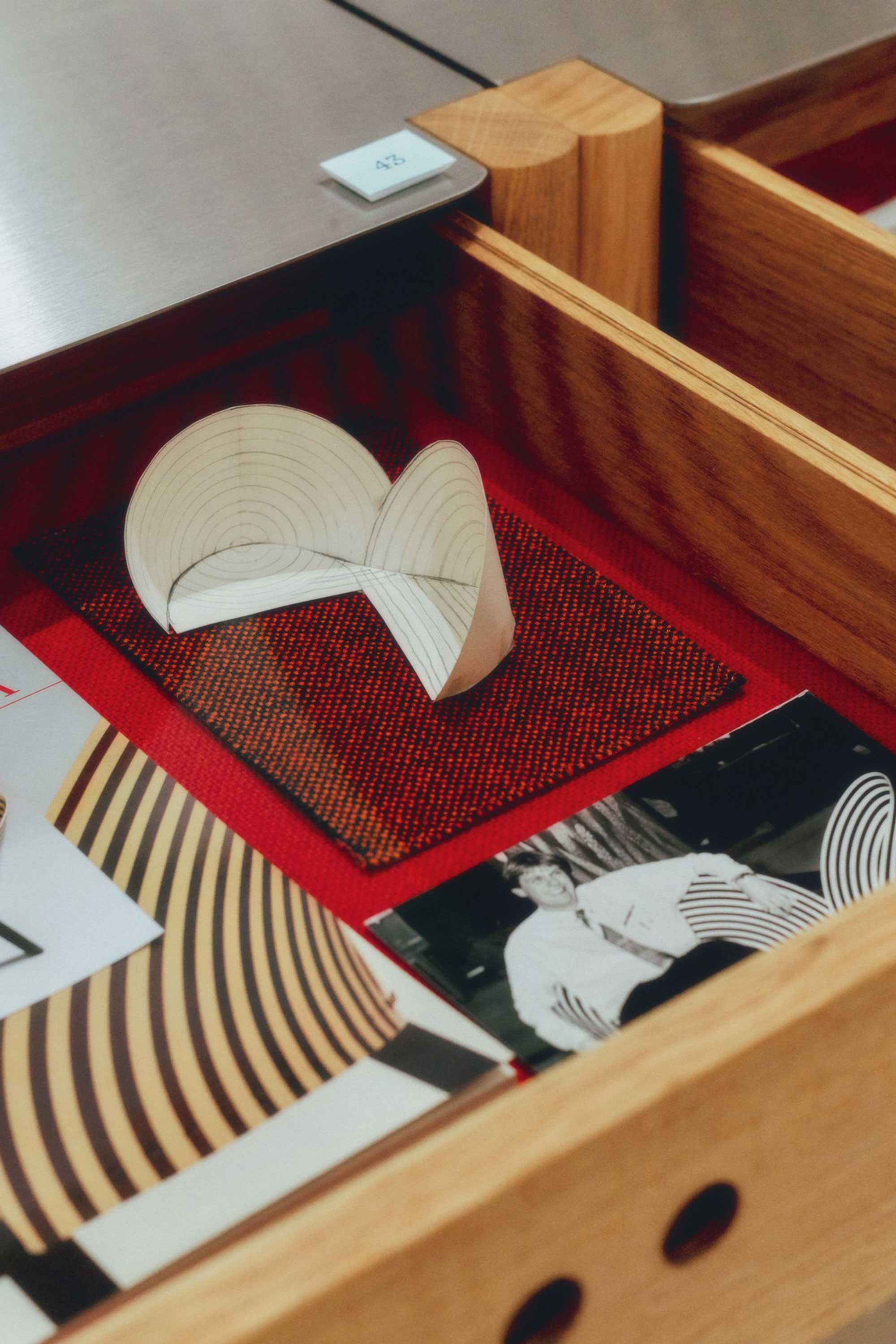
‘We need to be critical, we need to ask questions,’ one curator told me. ‘We need to ask why.’ Milan Design Week, for better or worse, remains the dominant moment in the calendar. Much of what is shown has consumed vast human and material resources by the time it arrives on a pedestal on the other side of the world, usually for barely a week. To use those resources to make something new needs real justification, and commercial imperative alone isn’t enough.
For companies and brands, that means using your investment to help young or emerging designers grow their practices and reach new audiences. It doesn’t mean working with the same predictable names whose talent has already been validated. And it certainly doesn’t mean spending your budget on Hollywood celebrities with no connection to the work you do. Design was once hard to articulate or distinguish from art or craft, especially in emerging economies. It’s now widely known and engaged with — and a new cohort of consumers, paying attention to how good the world around them can and should be, is putting lazy companies on notice.
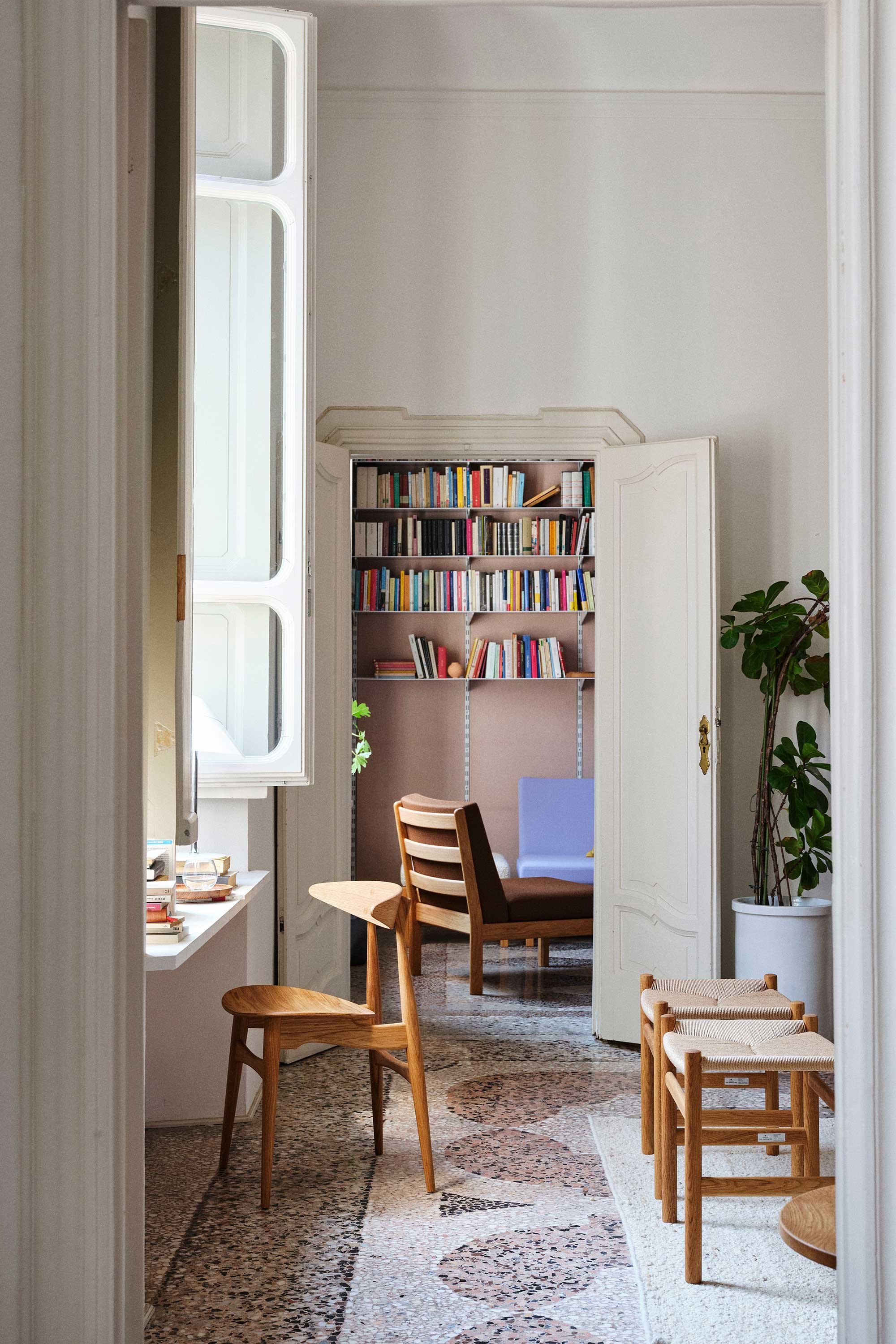
I’d expect — hope, even — that you’ll disagree with me. Debate is exactly what’s needed. There is no shortage of opinions shouted from the social media sidelines, but I encourage you to log off, open a bottle of wine and talk about it with your friends and colleagues. Ask tough questions of your clients and suppliers. Force your peers to justify what they’re doing. Then support those — yes, even the multinationals — that genuinely invest in design and craft as core principles, rather than as a marketing veneer. And, most importantly, avoid those who can’t tell the difference.
Jeremy Smart
Editor-in-Chief