The Australian Bathhouse Redefining How Singapore Unwinds
Sydney architects, a Singaporean shophouse and a South American rodent: how cult Australian wellness brand Capybara Bathing brought its philosophy of radical slowness to Singapore
The name came from a video. Rebecca Qin, one of the Australian founders of Capybara Bathing, had seen clips of capybaras — the improbably serene South American rodents that go viral periodically — filmed sitting motionless in Japanese hot springs with little mandarins balanced on their heads. That stillness, that complete absence of urgency, was what she wanted people to feel. The name stuck.
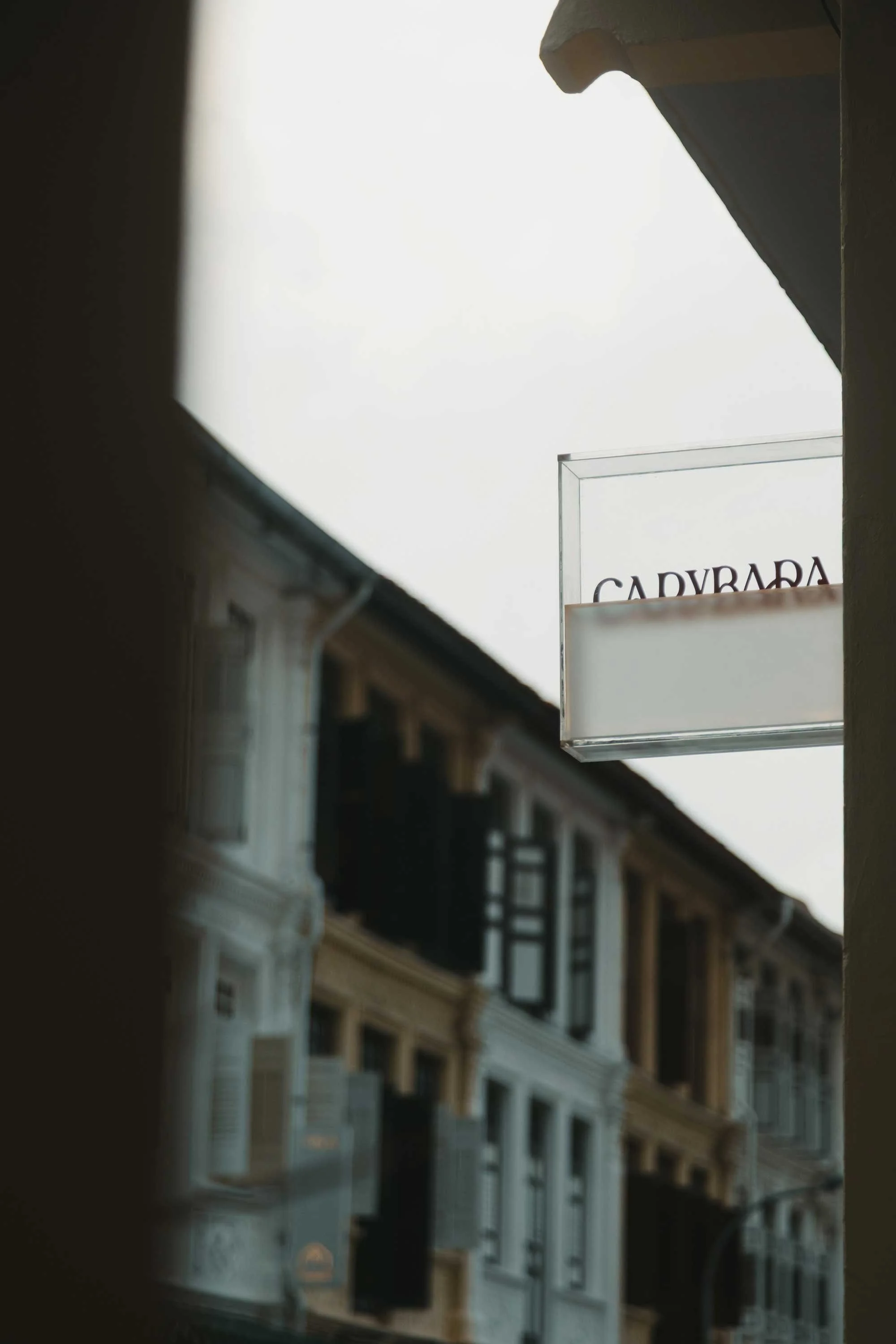
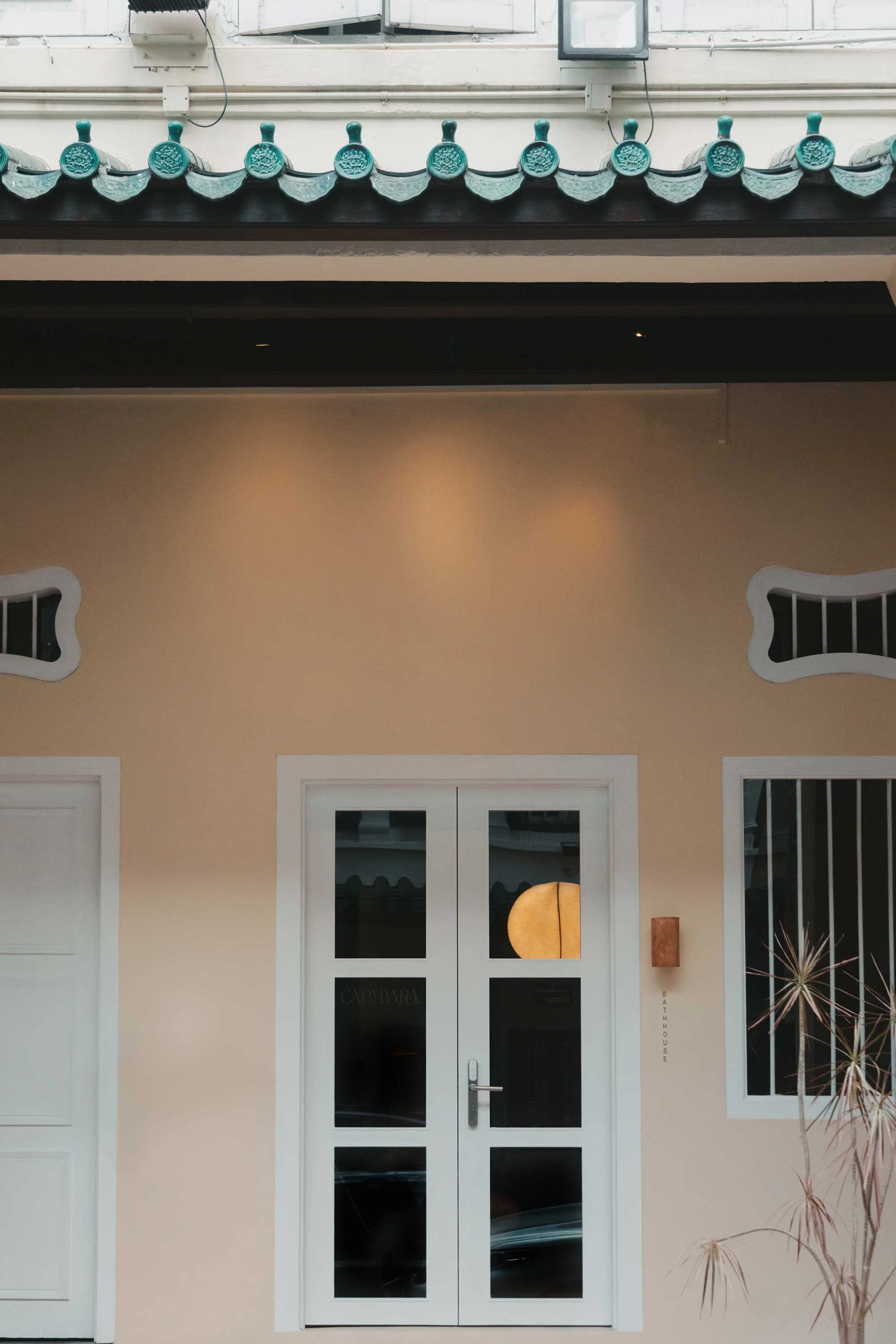
Capybara opened its first international outpost in February, inside two adjoining heritage shophouses on a vibrant street in Singapore. The location was deliberate — on the fringe of the CBD, close enough to catch professionals spilling out of the business towers, but also drawing from the surrounding residential blocks and nearby hotels. Nicole Chew, who co-directs the Singapore branch alongside Benz Tangkunboriboon, has lived in the city for seven years. ‘Singapore is fast-paced,’ she says. ‘There’s high pressure and stress. We really feel the city needs an outlet.’
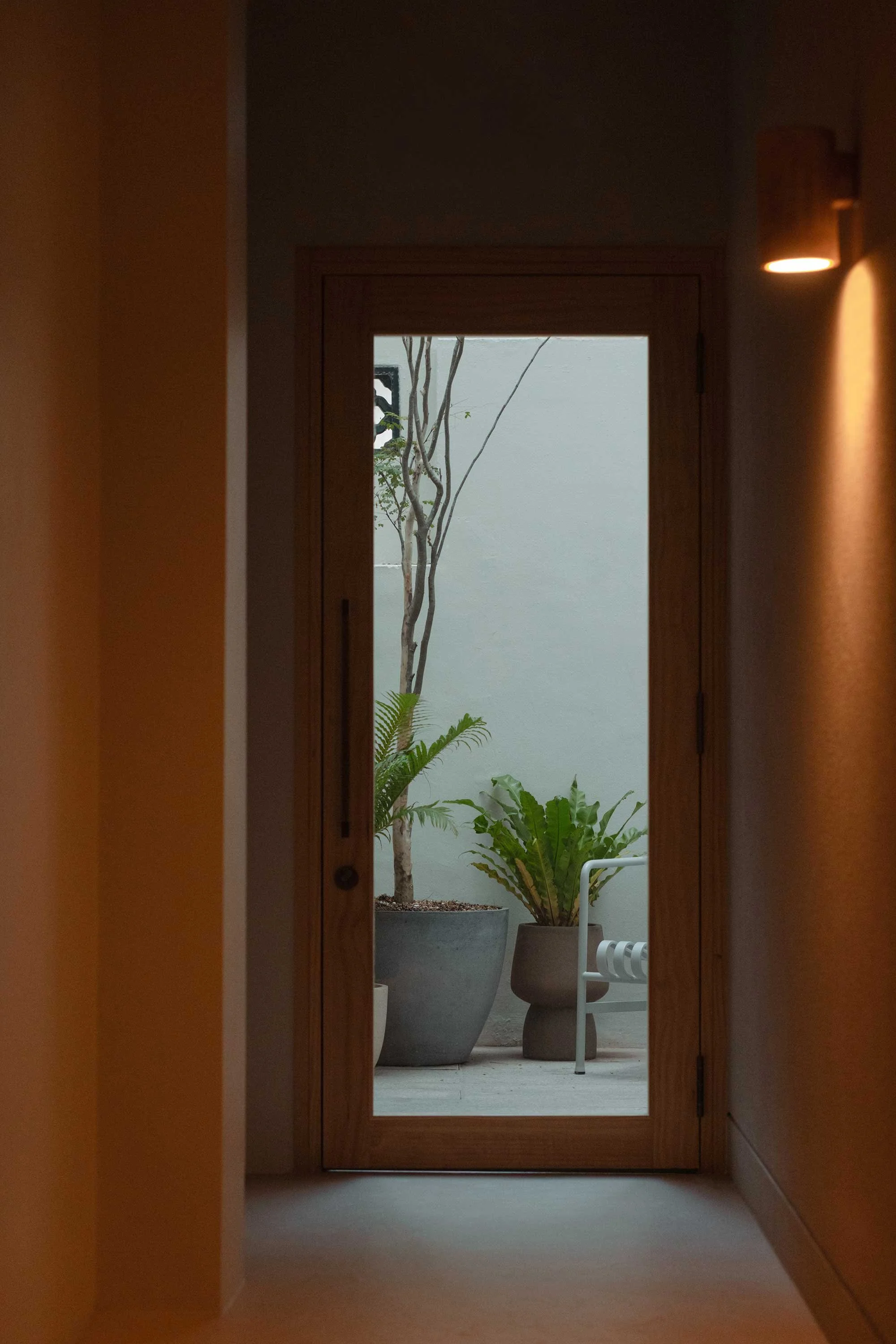
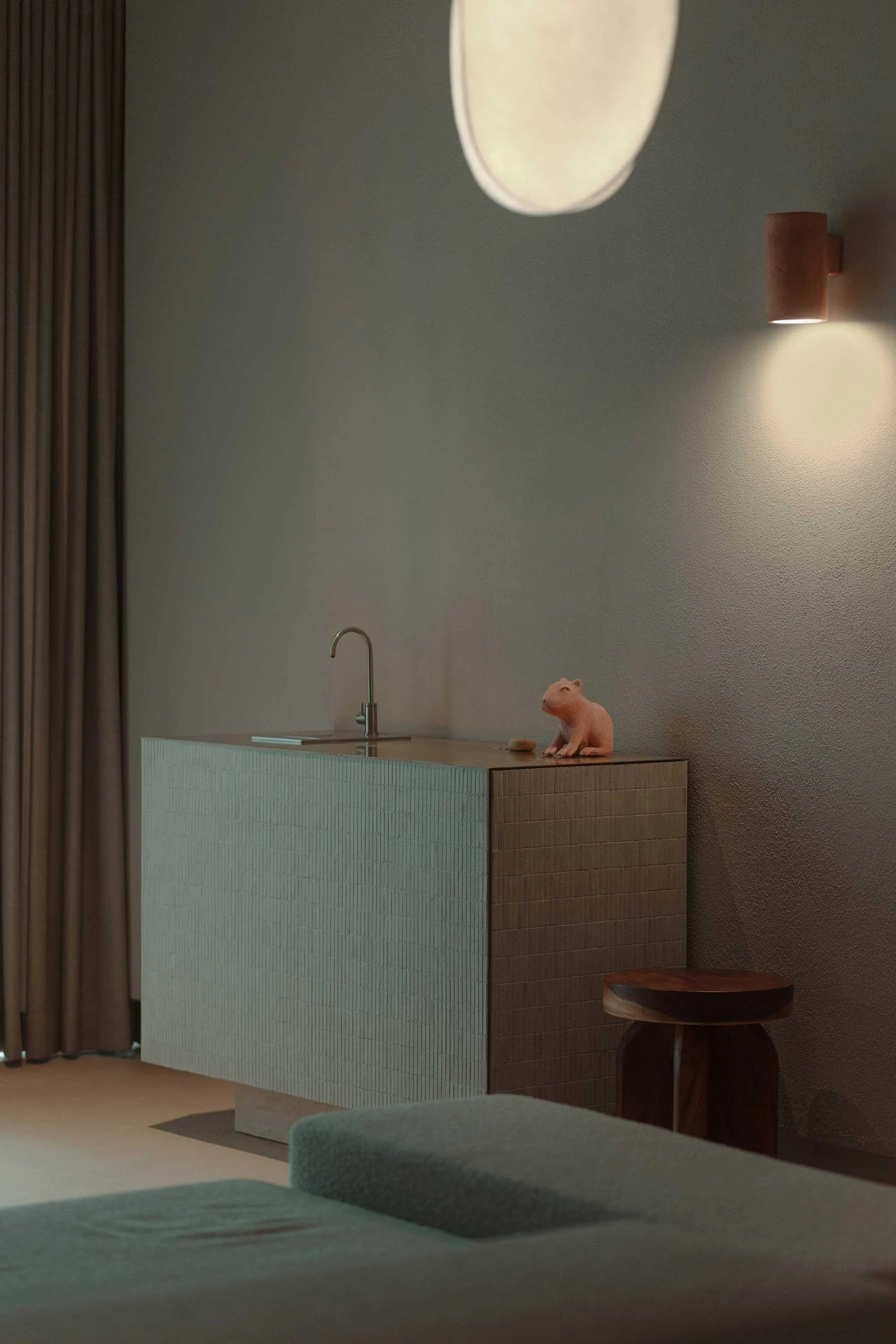
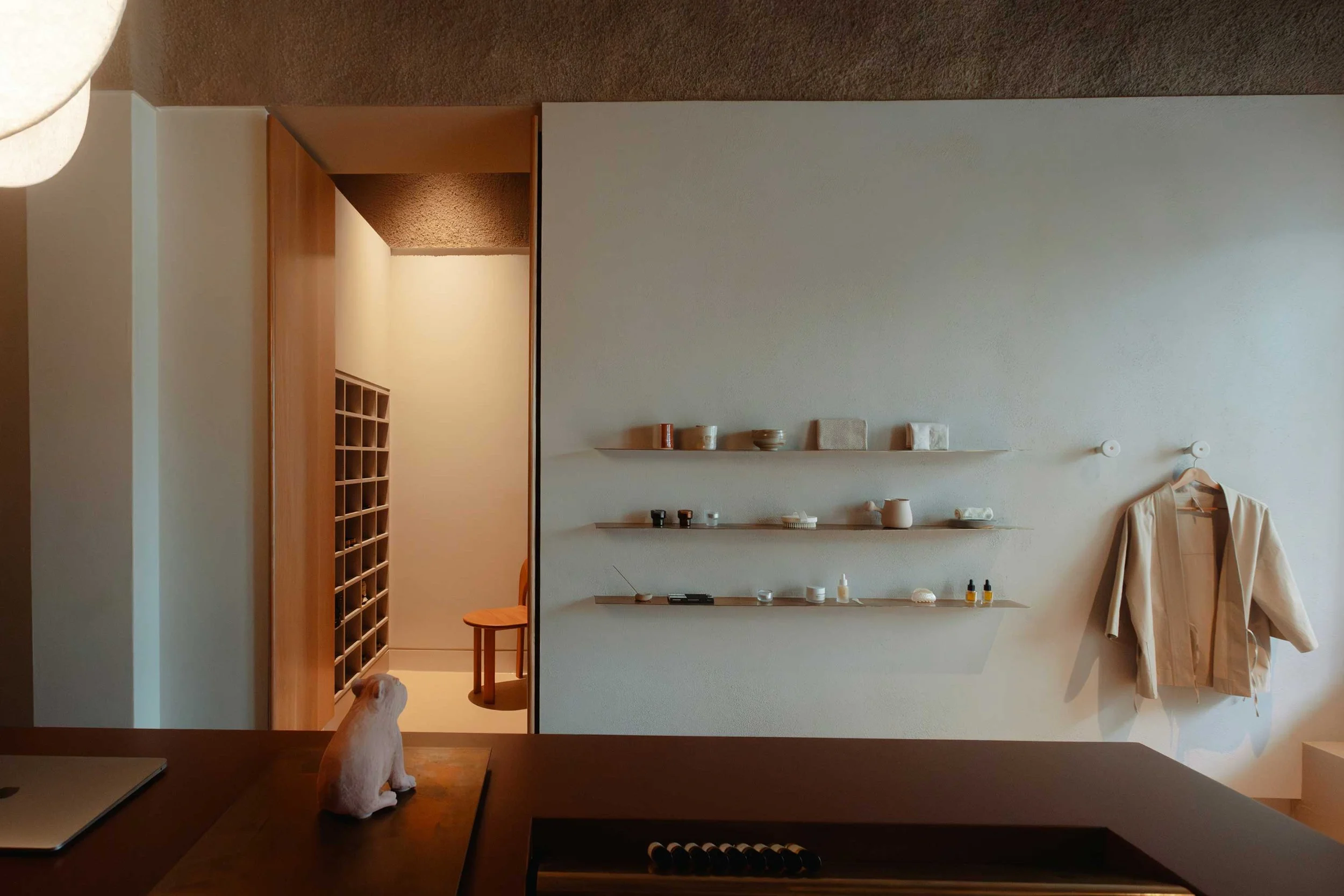
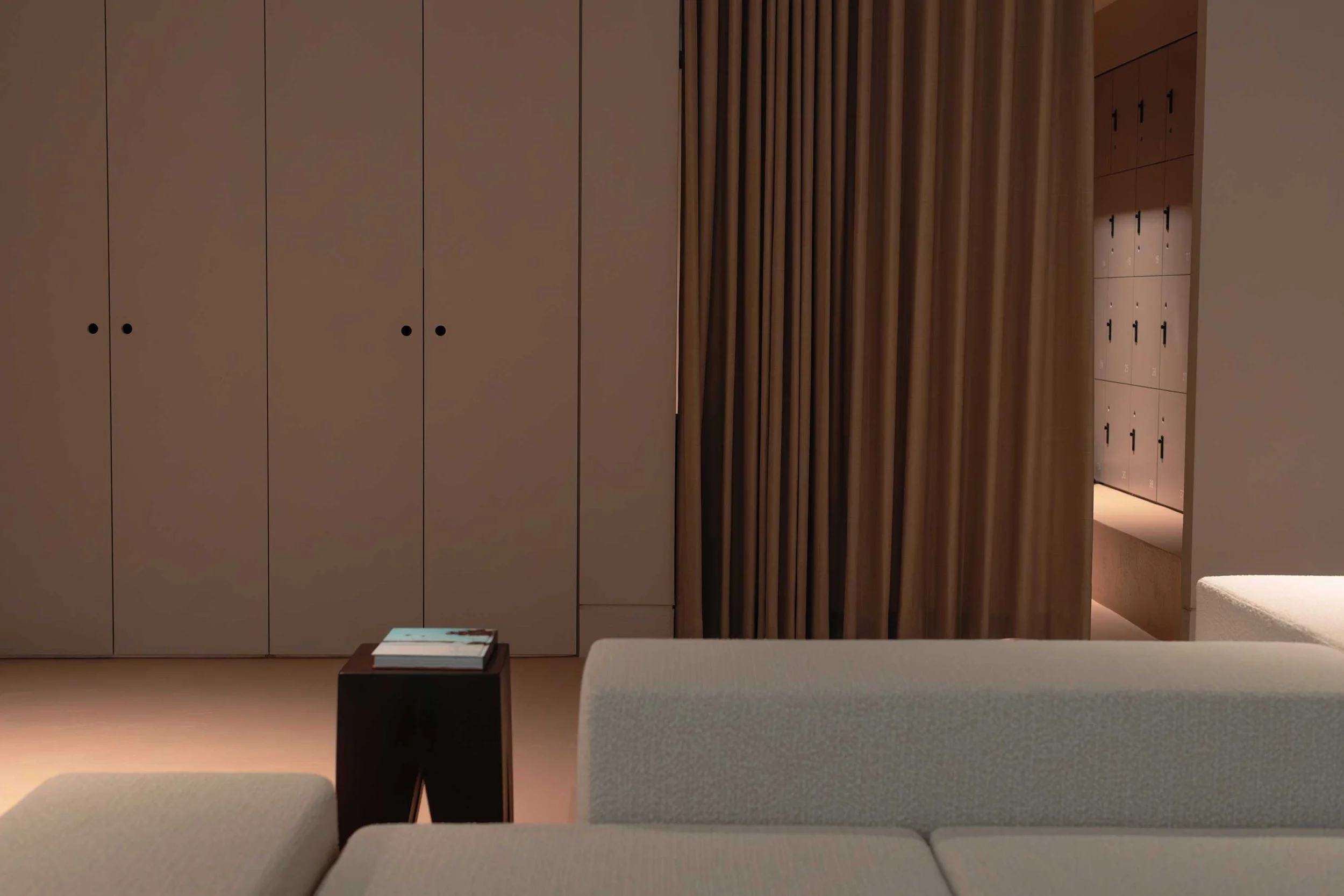
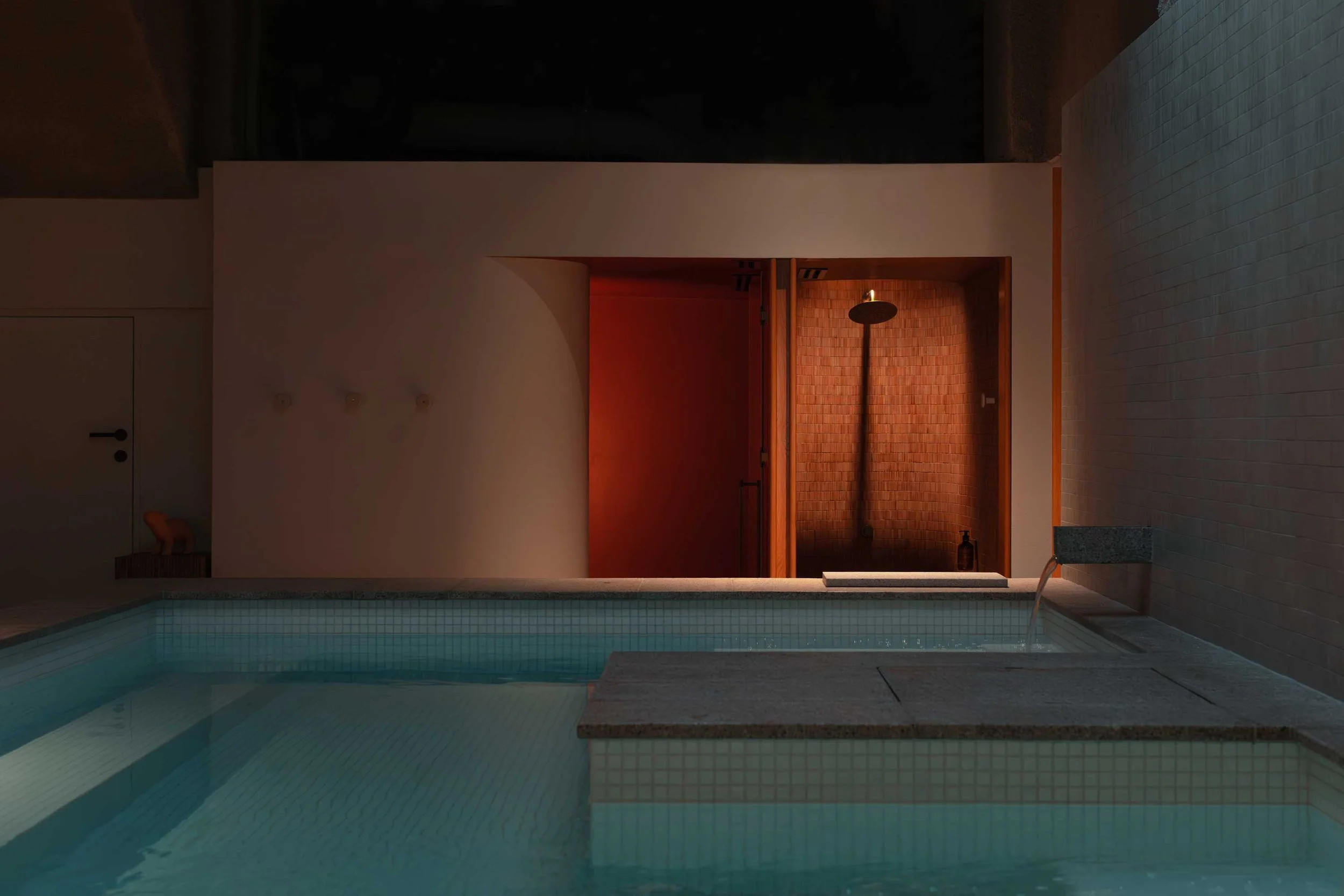
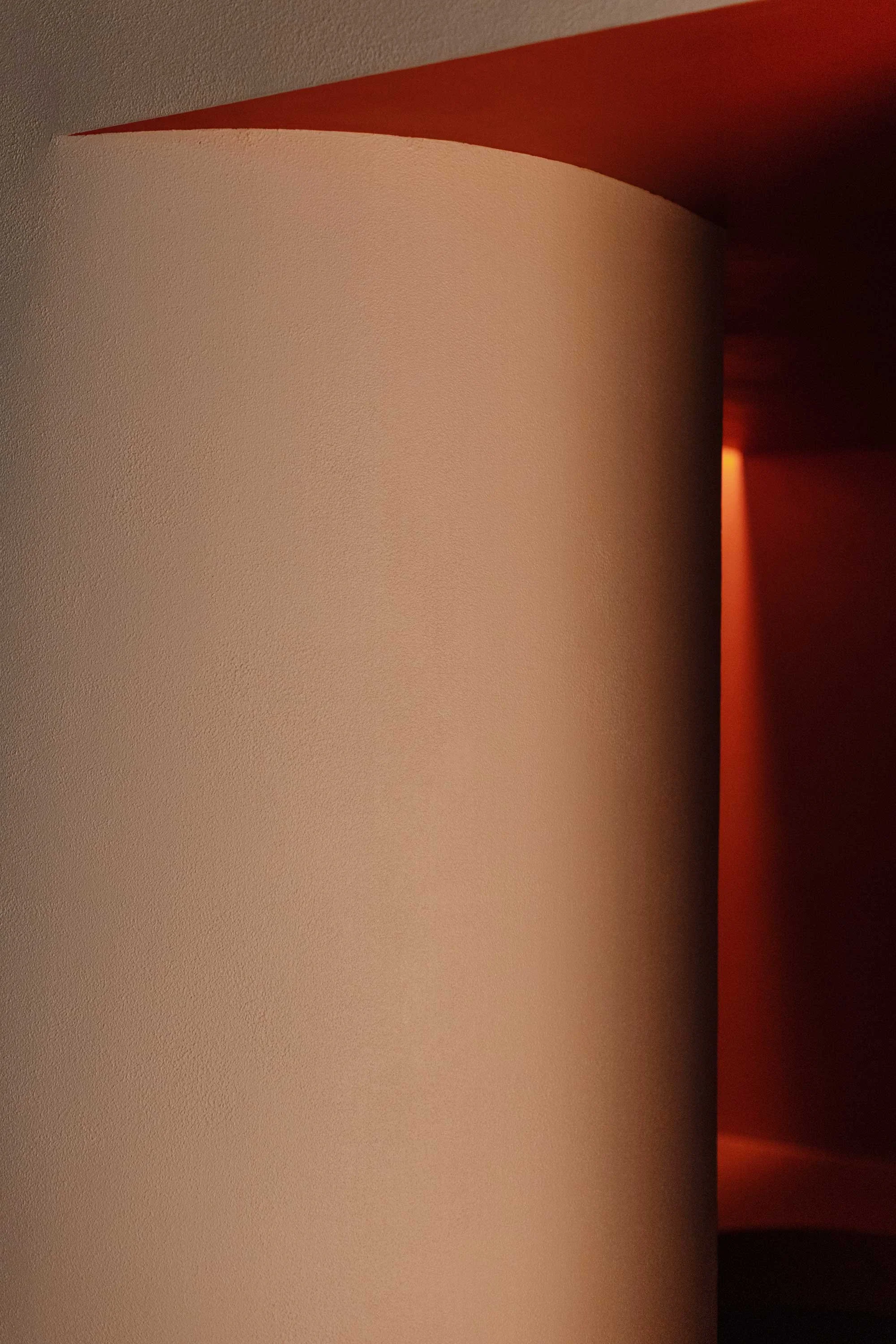
The 300-square-metre space was designed entirely in-house by co-founder Justin Lo and his Sydney-based architectural practice Studio Blek — the same team behind the original Surry Hills studio — with Chew and Tangkunboriboon, who both have architectural and construction backgrounds, managing the build. Lo describes the spatial concept as a sequence of compressions and releases: ‘There are these fragmented rooms within a big envelope. Inside those intimate spaces the materials are quite textural — you’re supposed to touch the wall tiles because they’re ceramic, they’re unglazed, they’re all coloured in a similar warm, reddish-brown tone.’ Step outside those rooms and the palette shifts — smoother micro-cement in a lighter beige, the contrast working on visitors subconsciously as they move between compression and relief.
The sequence begins before guests reach the water. ‘The moment you take your shoes off, you feel the floor beneath your feet,’ says Tangkunboriboon. ‘Then when we open the curtain, you get a glimpse of the bath house — but we direct you into the changing room first. It’s a slow surprise, slowly revealing the space.’ The mosaic Japanese tiles that curve along the pool walls were nearly sent back by the tiler who installed them, convinced they were defective. Tangkunboriboon insisted they stay. ‘Each tile has its own bend — but when it’s over a big span, all those imperfections, you kind of lose them.’ The brass fixtures will patina. The exposed ceiling, rather than being plastered over, has been left as found. ‘We’re showcasing the structure of the building and the history of Singapore shophouses,’ Lo says. ‘Not adding extra wasted materials for no reason.’
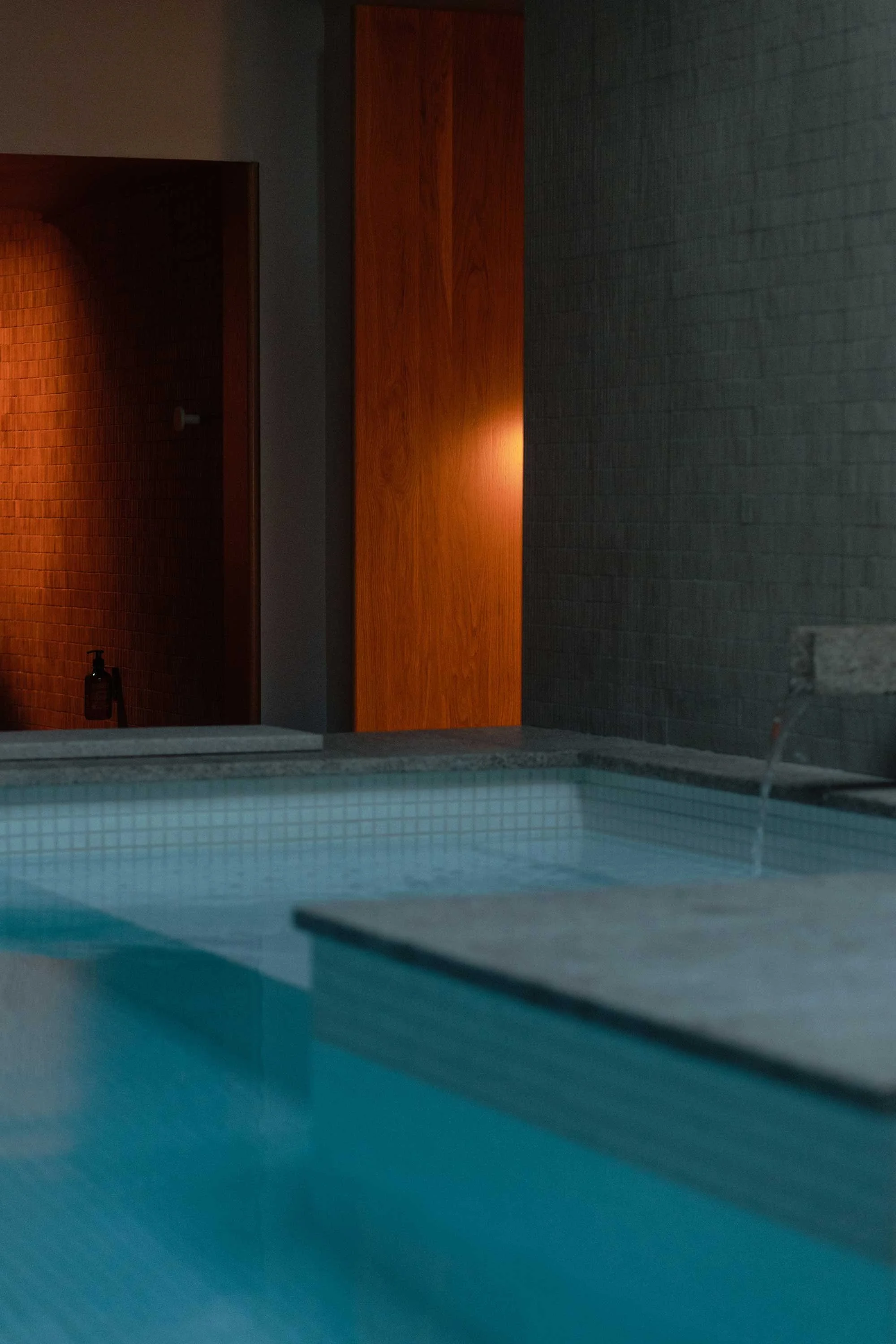
Locally sourced details fill the space: Mud Rock Ceramics contributed handmade basins, PluntCo handled the landscaping and staff uniforms were designed by Singaporean label Rye. The programming follows a recommended ritual through which the team walks first-timers on arrival, along with two house rules: no phones, and keep your voice low. This includes contrast bathing between warm to hot mineral pools and a cold plunge, a Nordic-inspired hot lounge with shaved ice and salt scrubs, guided movement and sound sessions.
Lo’s favourite spot in the house is the hot bench beside the skylight. ‘You’re sitting on a warm bench, a little bit wet, and the feeling is very soft — very easy on the body. Then when we bring in the flaked ice for the scrub, it’s a very gentle, very light approach to contrast therapy.’ The slowness, he says, is the point. Chew puts it plainly: ‘We’re basically trying to bring people in, slow them down and then hopefully they leave feeling better.’ It is, in the end, a simple idea. The capybara doesn't overthink it.
Text by Katherine Ring
Images by Dawn Tan Xinning