
The List: Our Editors’ Guide to Design-Focused Destinations and Products in April and Beyond
The monthly briefing from Design Anthology’s editors on the most interesting things to see, places to go and products to know
Vincent Van Duysen for Koyori
Tokyo
Chair
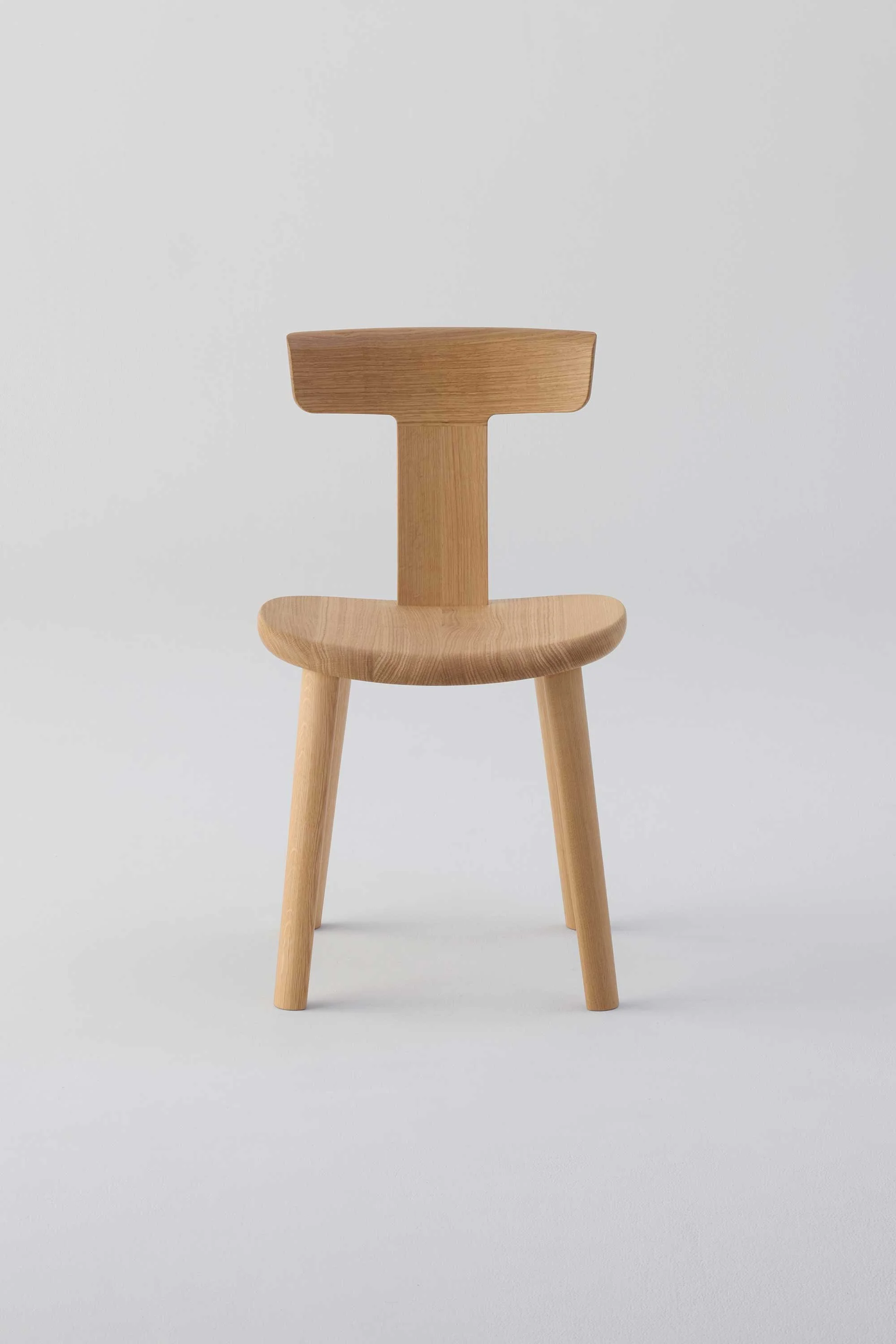
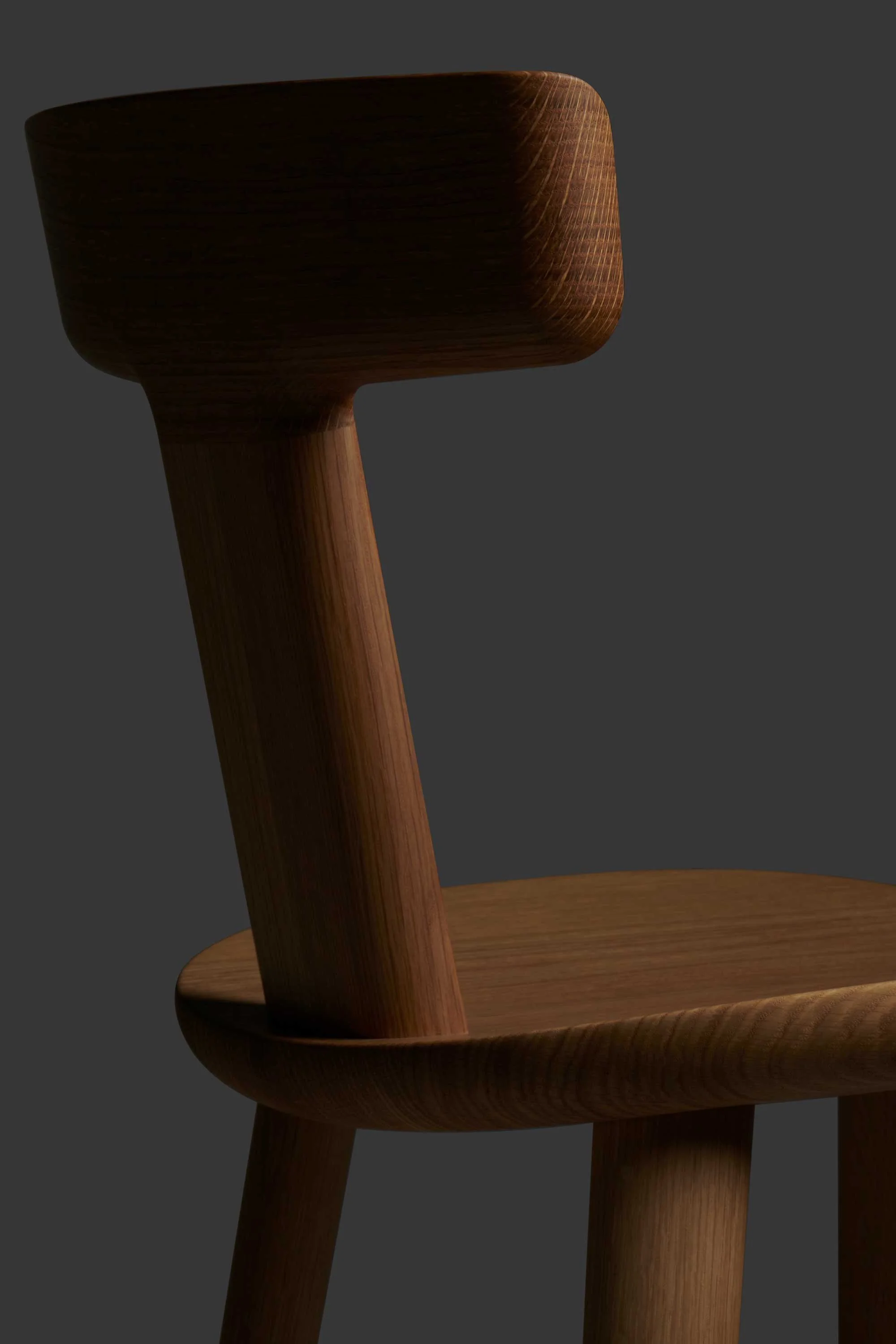
Belgian architect and designer Vincent Van Duysen and Tokyo-based furniture brand Koyori presented their first collection together at Salone del Mobile this month. What drew Van Duysen in was Koyori’s instinct to put the makers before the brand: ‘Rather than placing the brand at the centre, Koyori seemed to place the manufacturers, their skills and their histories first,’ he says. The resulting collection, named Hinode (‘Sunrise’), is produced in solid wood, each piece refined through extended iteration with the Japanese craftspeople making it. Images by Hiroshi Iwasaki
Sequence — A Listening Room by Kwangho Lee, Nuovo
Hong Kong
Exhibition
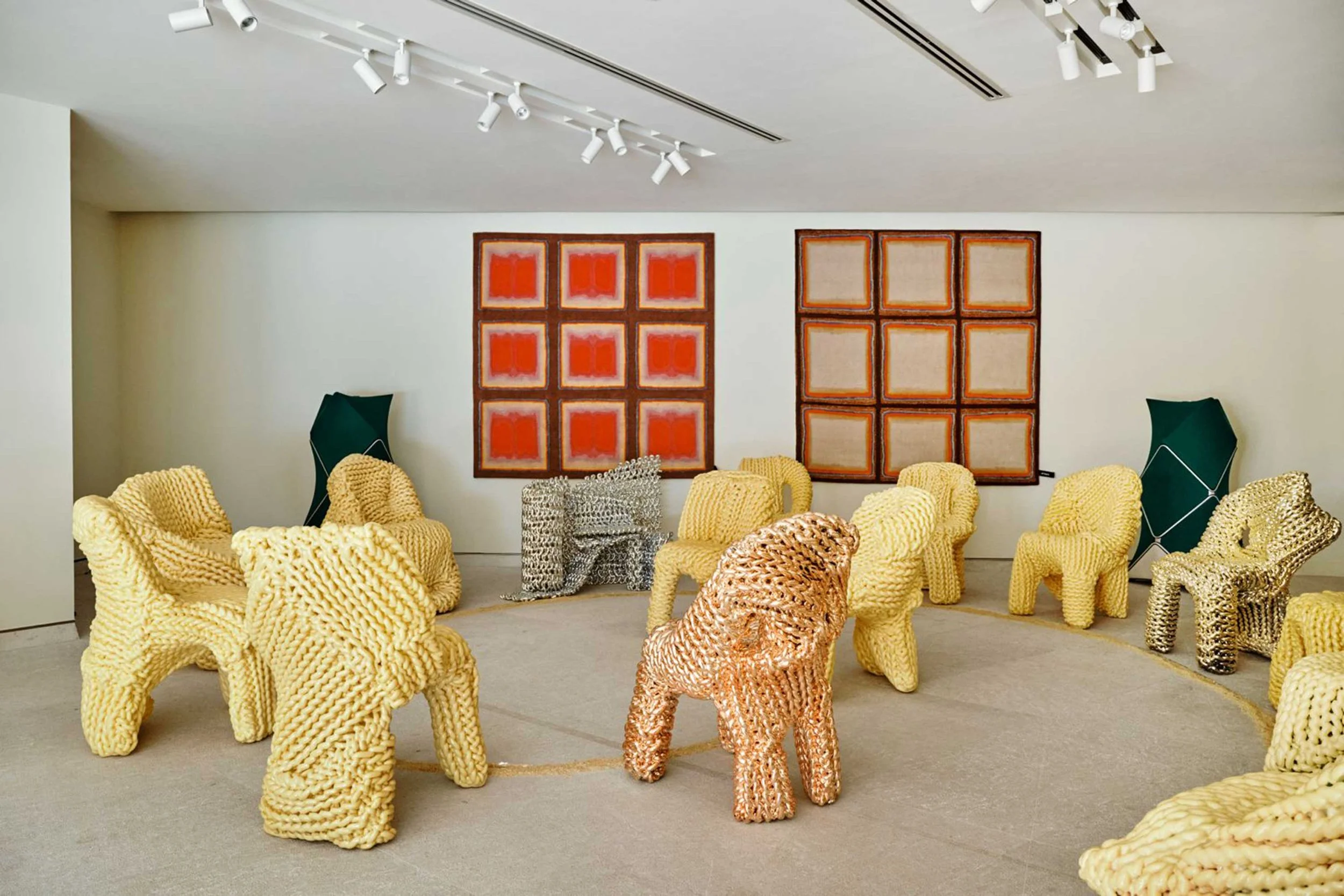
Korean designer Kwangho Lee fills Nuovo’s Central showroom with 20 chairs constructed from sponge pipes and nylon rope, coated in polyurethane — pieces that read somewhere between oversized knitwear and organic sculpture. Alongside them, his TCOC (The Colour of Copper) carpet collection for CC-Tapis, hand-knotted in Himalayan wool, silk and aloe fibre, translates copper’s oxidation and patina into a shifting, luminous palette. The show continues until 15 May.
Wall Light, Nave, So Koizumi Design
Shizuoka, Japan
Light
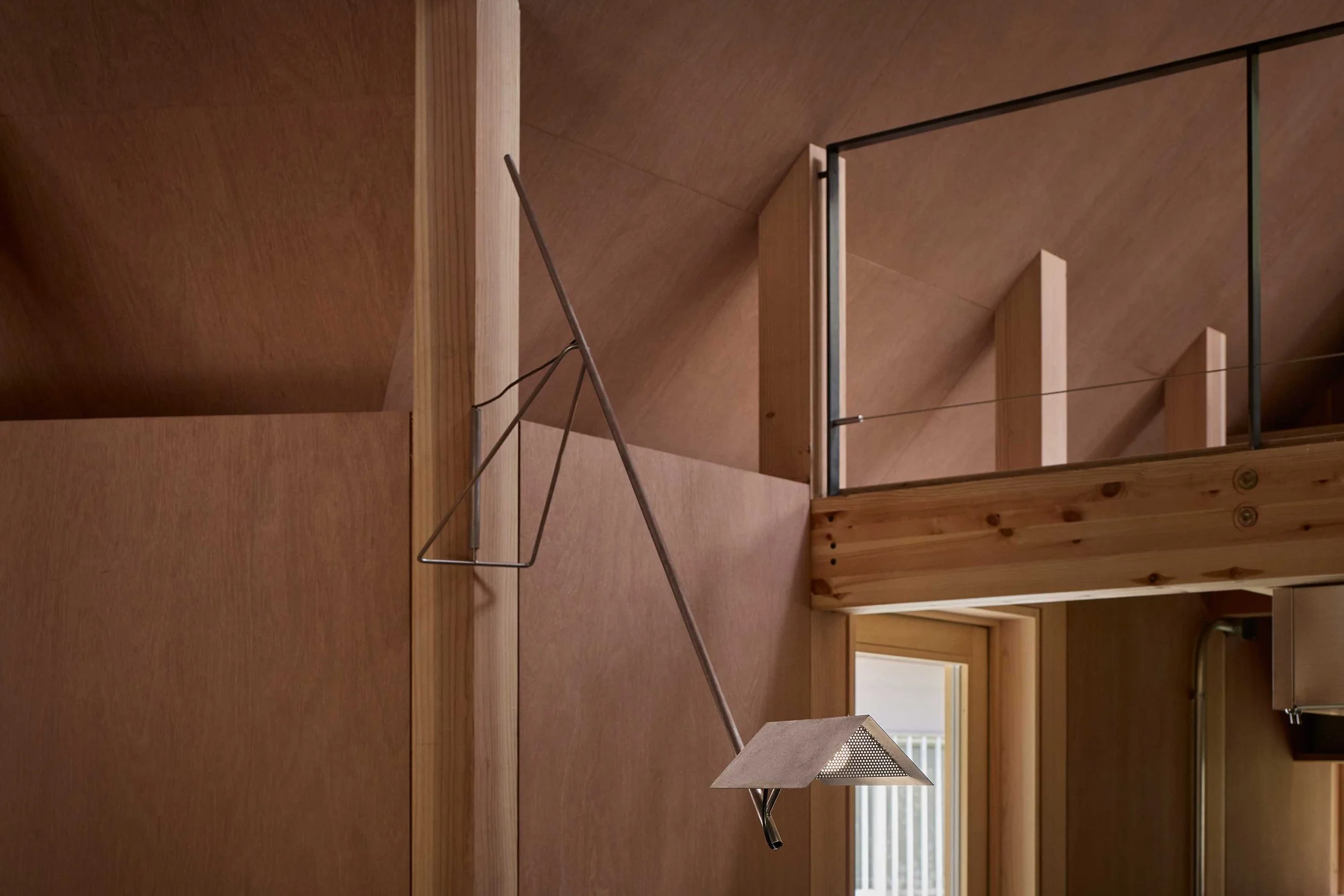
So Koizumi created this wall light for a specific room, within a villa by Ohmura Nakamura Atelier with a ceiling high enough to read as a church nave. The form is drawn from the building’s own roofline, recast as a volume that holds rather than throws light. It rotates on a structure that follows the geometry of the counter below, adjusting with use. Entirely site-specific, and entirely convincing for it. Image by Tomoyuki Kusunose
Collections for the Home, Hermès
Paris
Collection
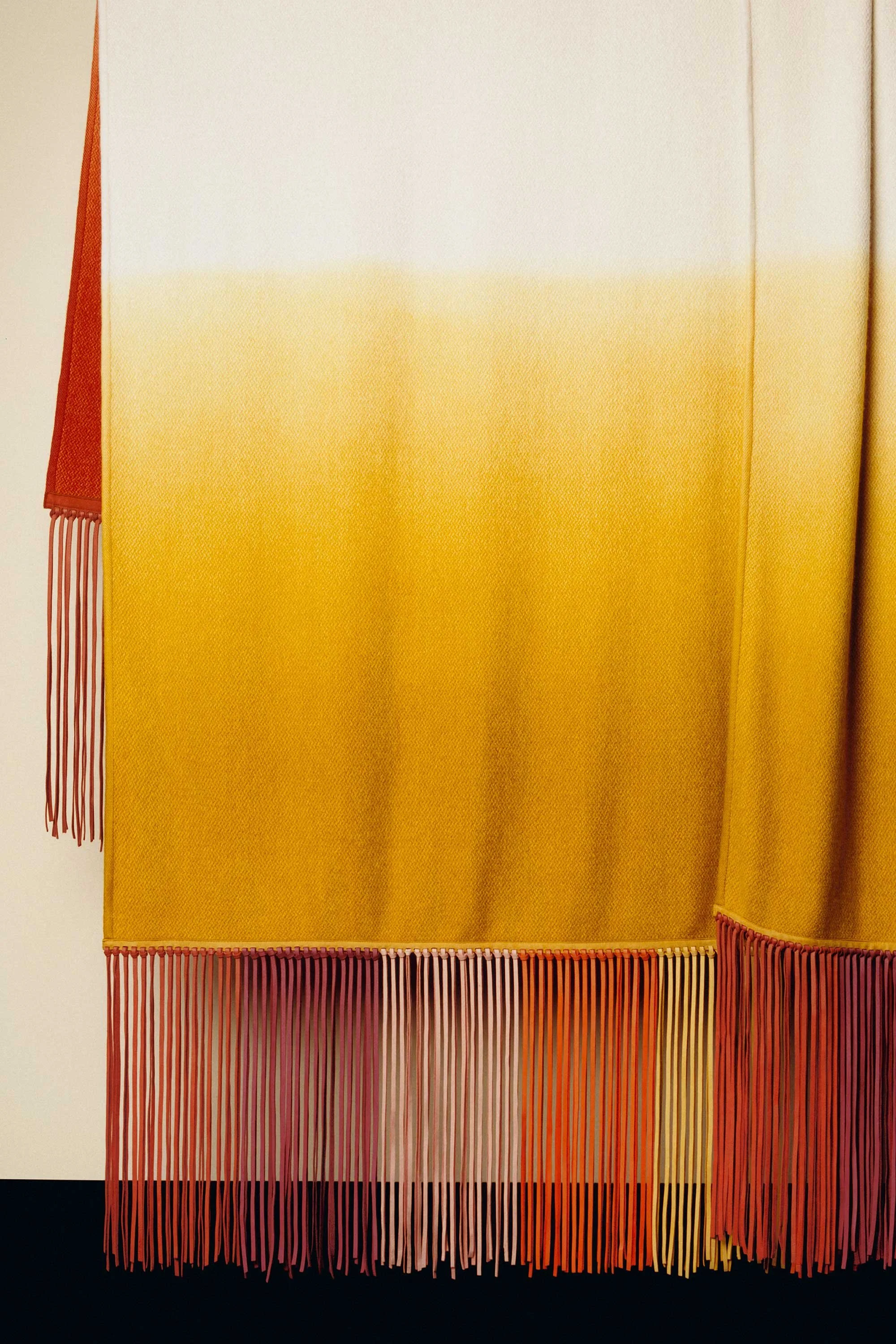
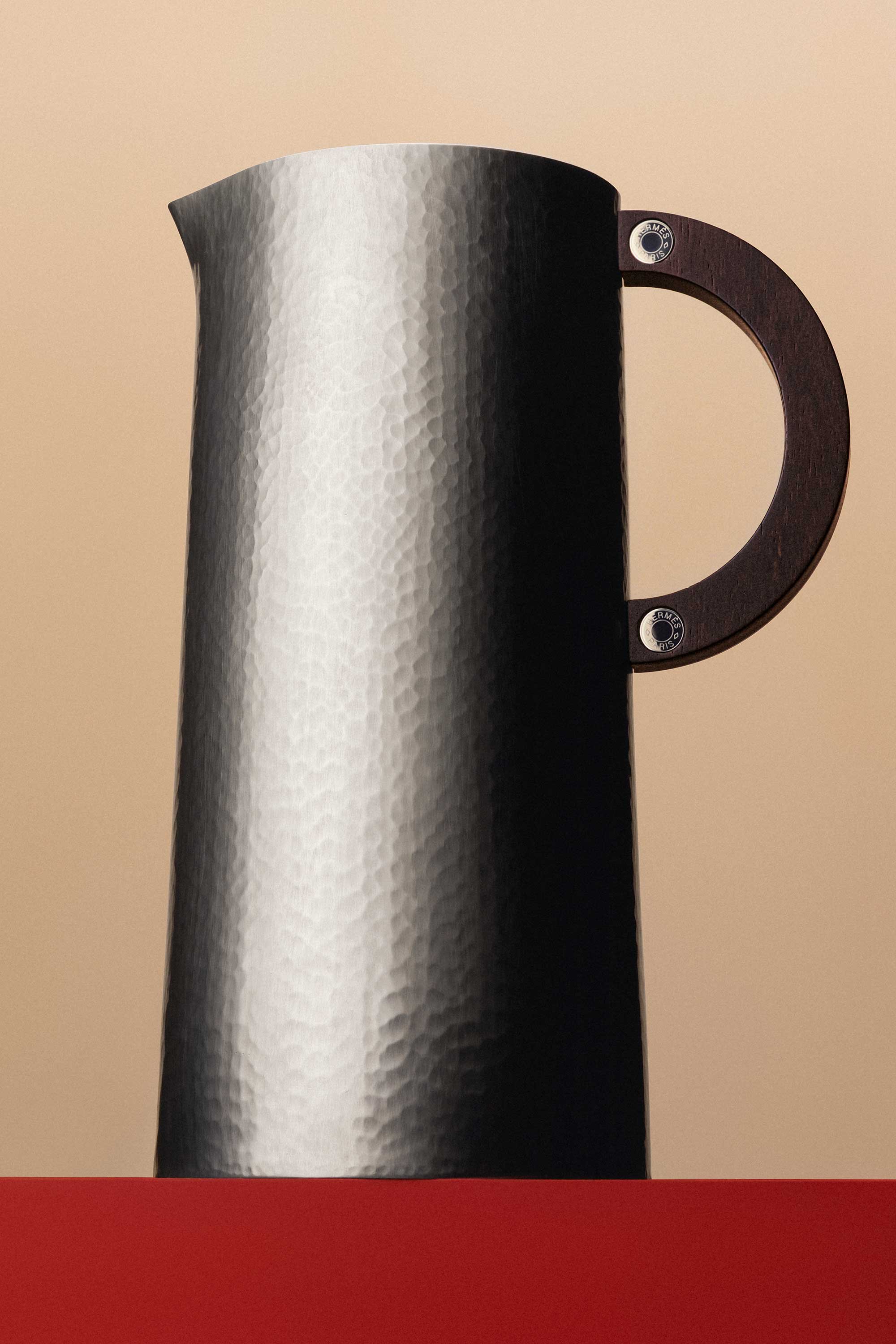
The 2026 home collection from Hermès was shown at La Pelota in Milan, installed across a series of beech-wood and plaster volumes designed by the maison’s co-artistic director of home, Charlotte Macaux Perelman. The collection is built around multiple threads. The first is the Palladion d’Hermès line — a series of vases, a jug and a centrepiece in hand-hammered palladium-finish metal, produced by Studio Hermès and finished in horsehair, Swift calfskin, lizard, cassia wood or goatskin depending on the piece. The second is textiles — cashmere throws hand-woven in Nepal, resist-dyed, edged and assembled by embroidery stitch, including one piece by designer Hyunjee Jung worked in the traditional Korean bojagi method. The Stadium d’Hermès dining table by Barber & Osgerby, in Carrara Venato and Verde Alpi marble marquetry, forms the furniture offering.
Kiyola KF-20 and KF-25, Roland
Hamamatsu, Japan
Instrument
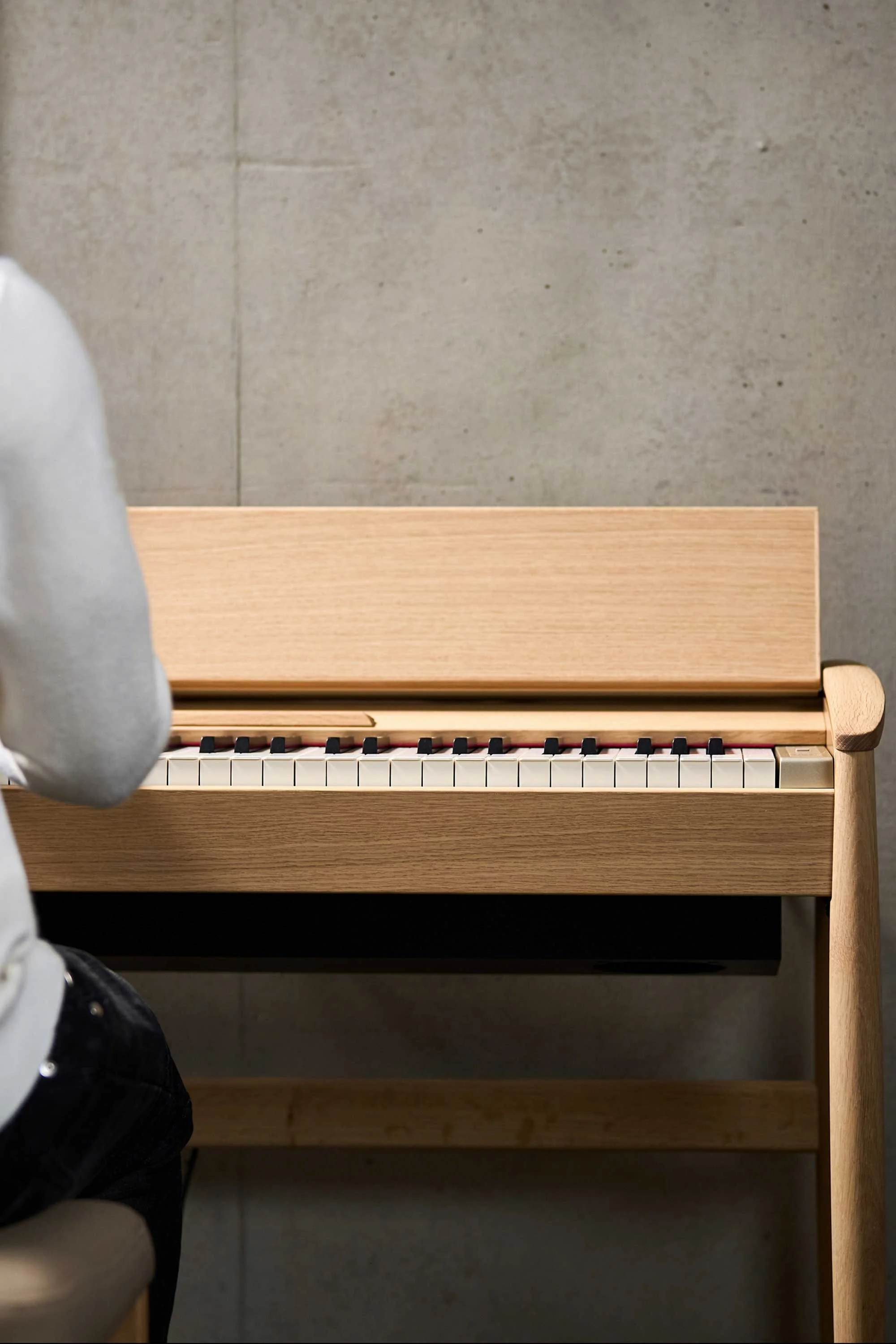
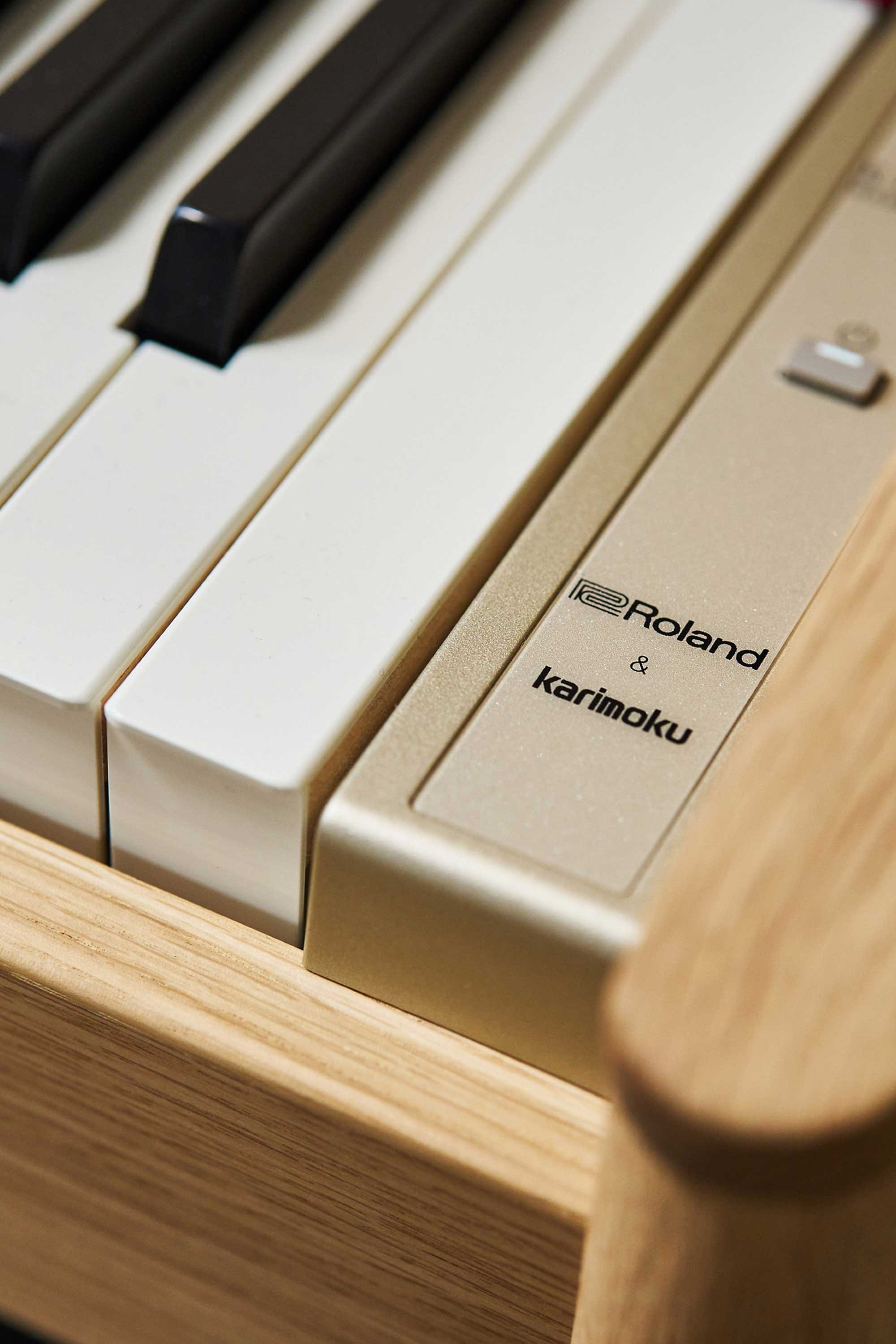
Roland’s Kiyola series sits at the intersection of instrument and furniture — digital pianos built in Japan through a collaboration with Karimoku, the premium wood furniture manufacturer whose craftspeople have been refining local woodworking techniques since 1940. Two new models extend the line: the KF-20, with gentle curves and a new celadon green finish; and the sharper, more angular KF-25, finished in smoked oak and styled along Japandi lines. Their US availability through the MoMA Design Store speaks to how Roland positions them.
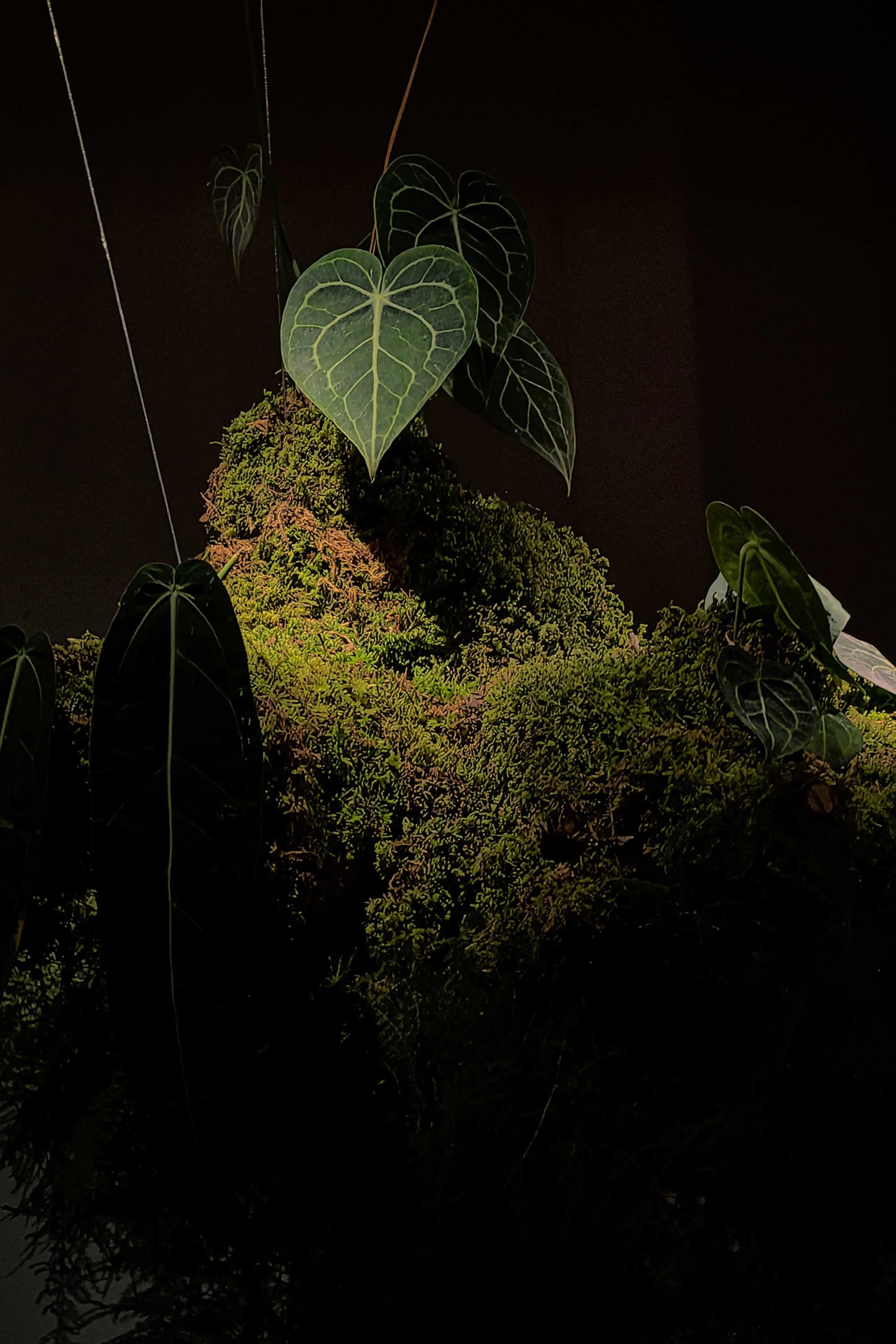
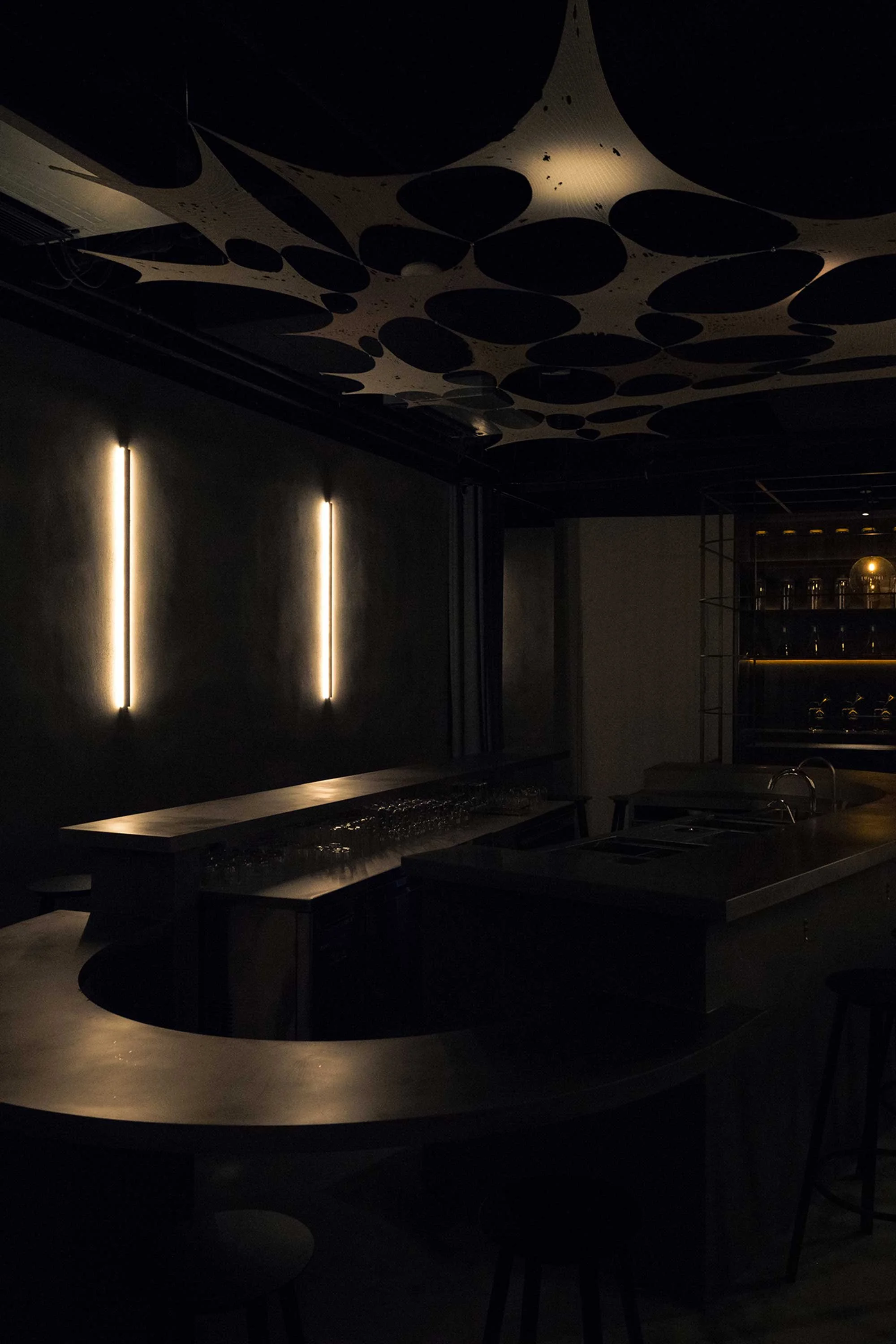
Shang Bar by Kasa&Sama
Shanghai
Bar
The facade of Shang on Yongyuan Road — between Jing’an Temple and the Nanjing West Road business district — gives nothing away. Push open the right door and a three-metre-high pink one waits on the other side — a deliberate jolt before the concrete and stainless steel interior takes over. The circular bar counter is designed to dissolve the distance between bartender and guest; the ceiling above it rotates through artist installations. Heavy linen curtains at the back divide a lower-key sofa area for those who want to be in the room without being at the centre of it.
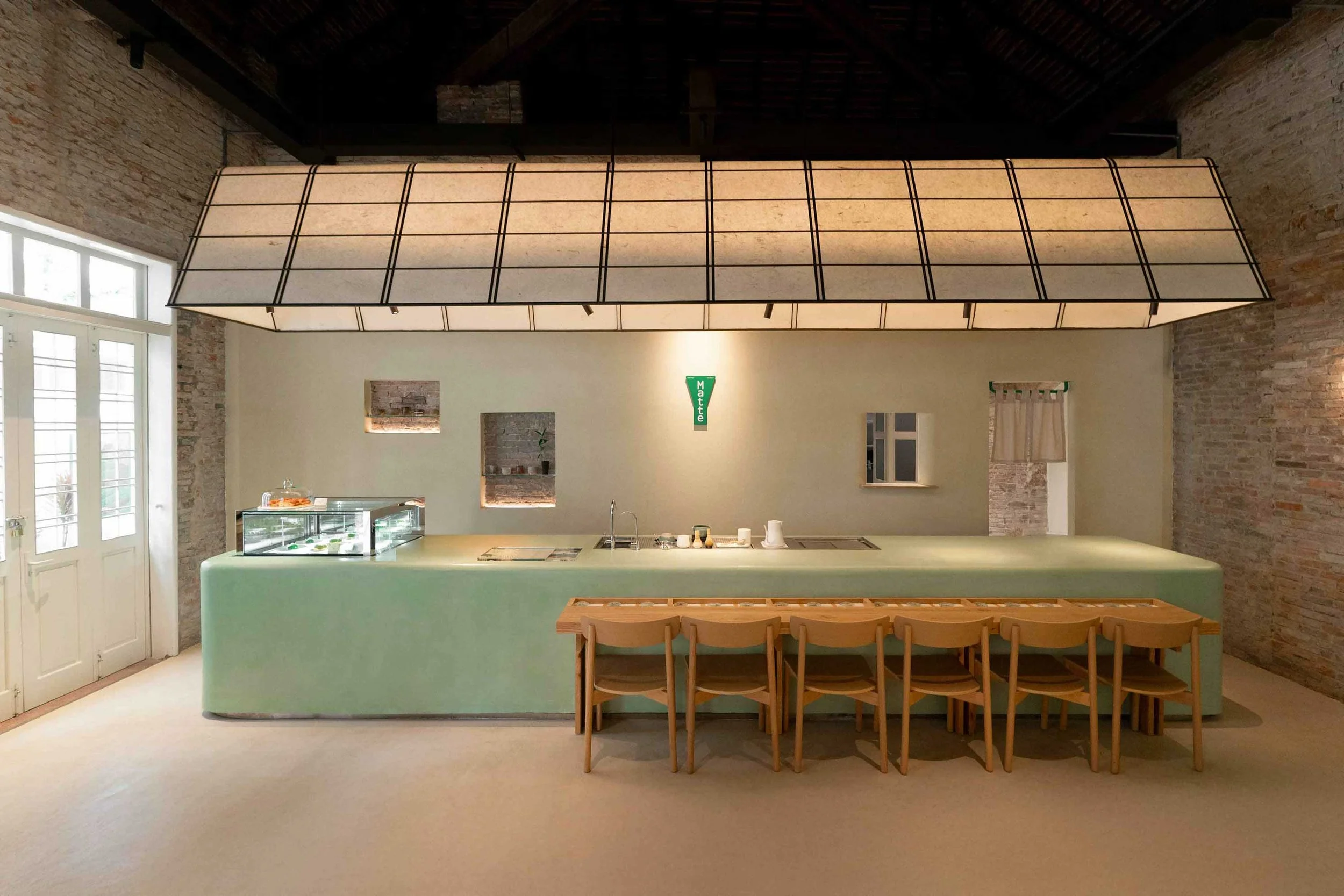
Matte Teabar by The Lab Saigon
Ho Chi Minh City
Cafe
Matte Teabar’s flagship occupies a century-old French villa down an alleyway in a residential Ho Chi Minh City neighbourhood, announced only by a small swinging cat sign — a nod to the roughly 20 cats that roam the surrounding streets. The Lab Saigon set low stools in loose clusters around the garden courtyard, referencing Vietnamese street coffee culture, while inside, stone and straw-mixed concrete sit against the original exposed brick and timber roof. In the annex, a dedicated tearoom hosts tastings and workshops under a custom pendant shaped like a chasen (bamboo tea whisk), its circle of light falling directly onto the table below.
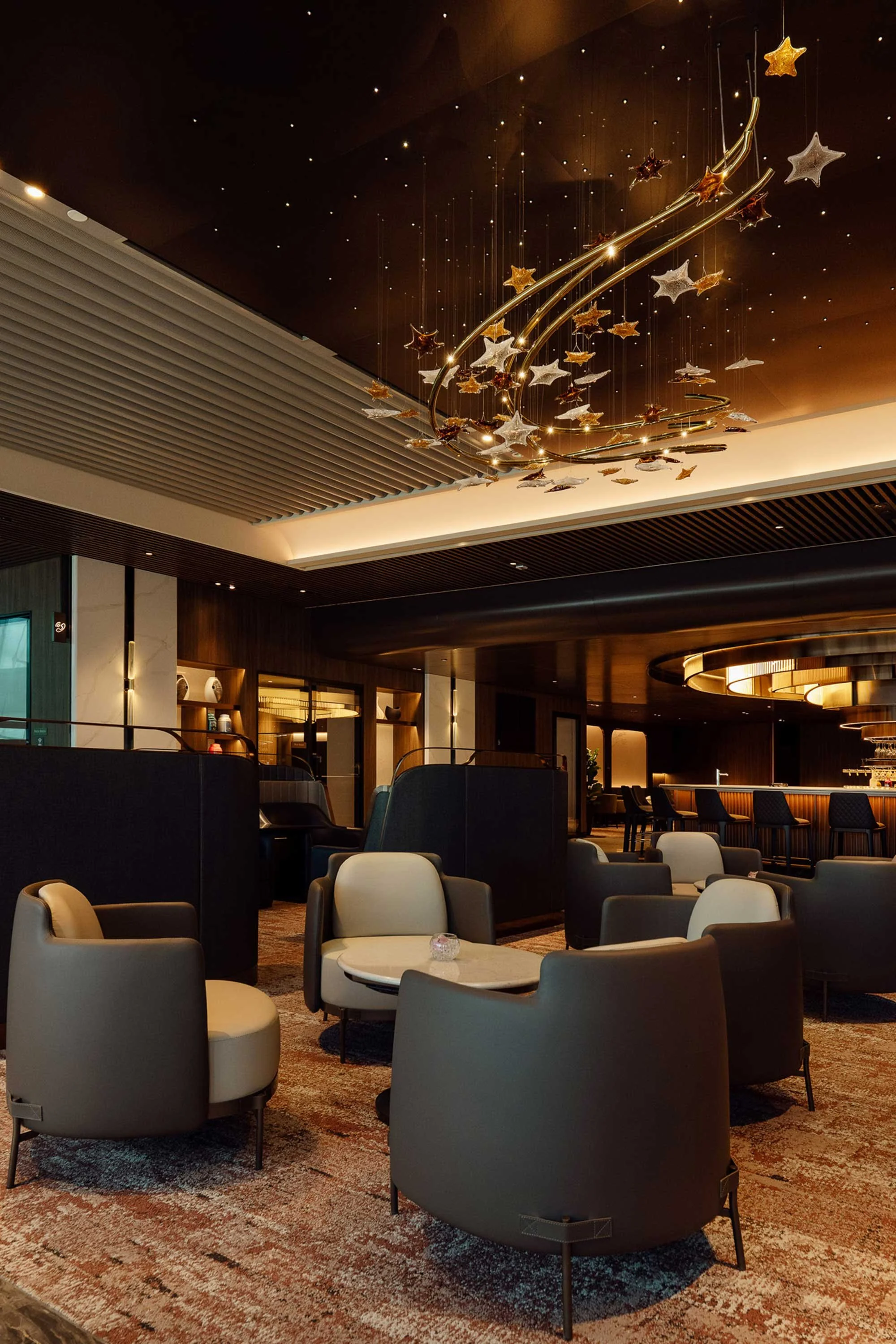
SilverKris First Class Lounge, Terminal 2, Singapore Airlines
Singapore
Lounge
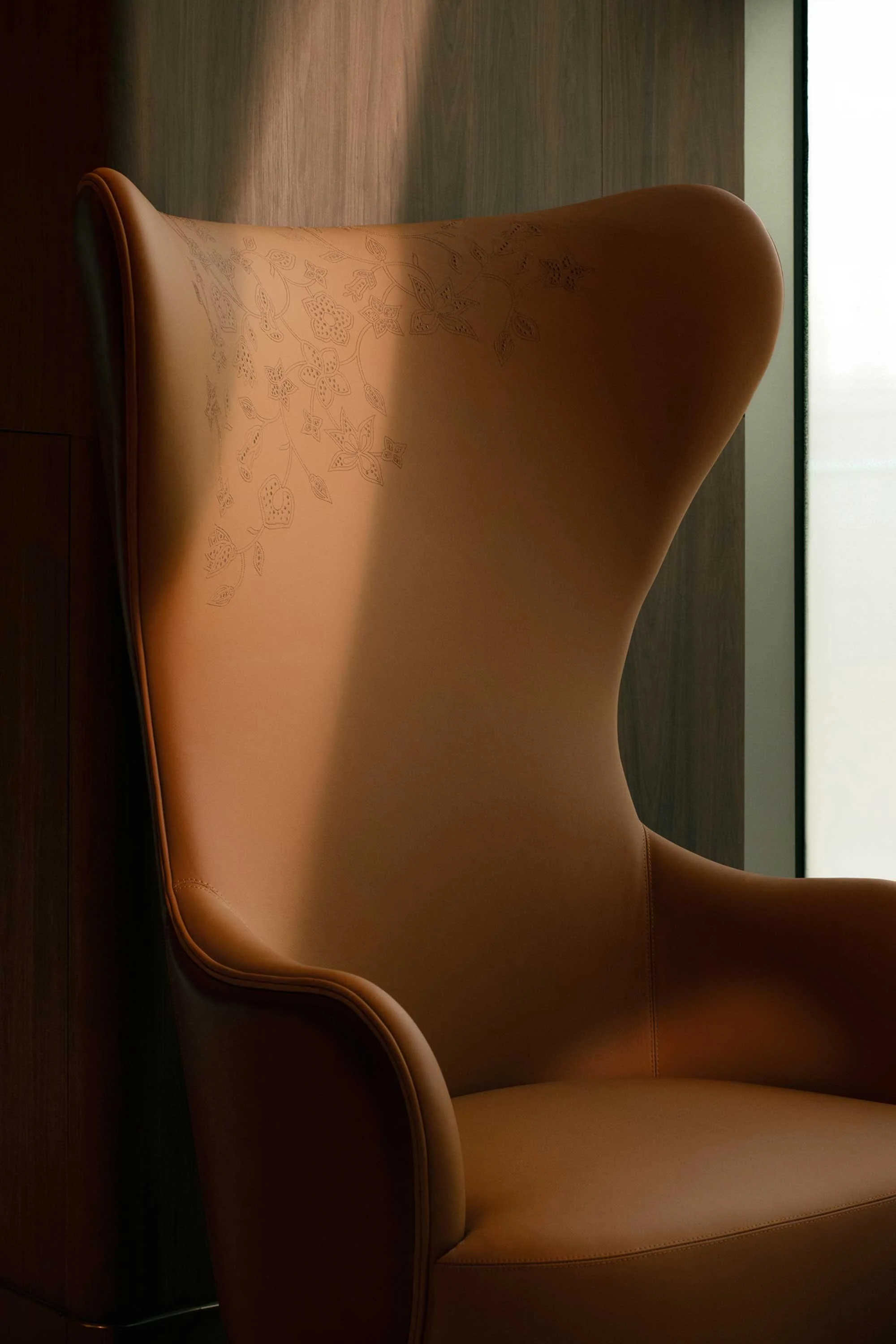
Singapore Airlines’ SilverKris First Class Lounge at Changi T2 reopened in November 2025 following a transformation by Ong&Ong, with environmental graphics by Immortal. A striking 20-metre batik installation lines the bridge approach; inside, the motif reappears more sparingly — etched into canopies, set behind curved alcoves — so it reads as texture rather than theme. The Signature Bar sits under a deliberately lowered ceiling in a 180-degree arc, while the nearby living and dining areas open out to full-height windows. A sloped ceiling in the kitchen, rather than being concealed, was kept and the services rerouted around it — a small decision that gives the room its most compelling architectural moment. Images courtesy of Singapore Airlines
Squares of Water by Jeff Siscar, Spruce Gallery
Manila
Exhibition
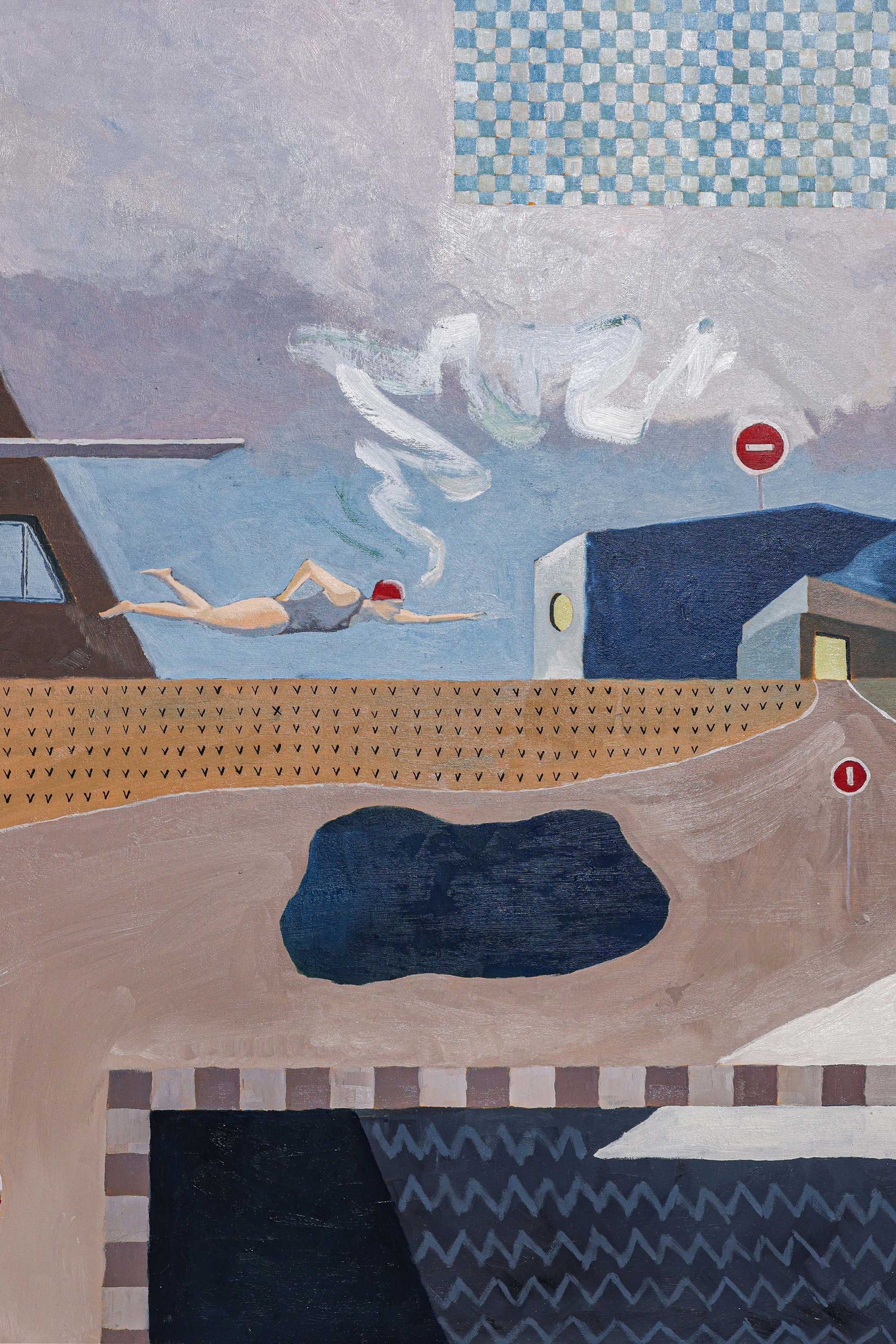
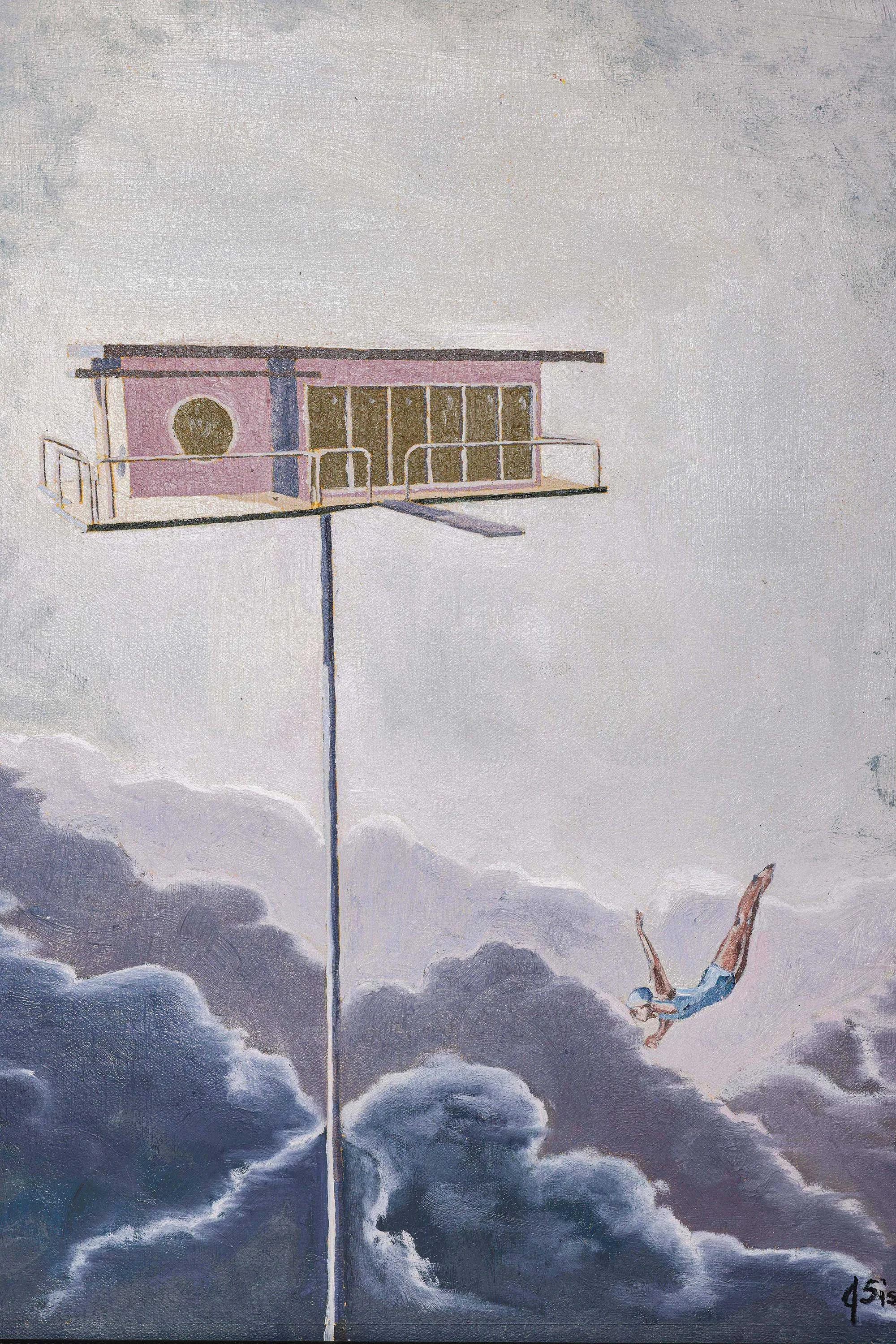
Jeff Siscar is an architect by training — a principal and co-founder of Celllo Design Collective — and the tension between that discipline and painting is exactly what his first solo show turns on. The paintings in Squares of Water use architectural forms as their starting point, then quietly undermine them. A solitary figure appears across the works, caught at the moment before action completes itself — poised at a ledge, a threshold, the edge of water. The title holds the tension: water resists containment; a square insists on it. Curated by Ric Gindap, the show runs until 8 May at Spruce Gallery.
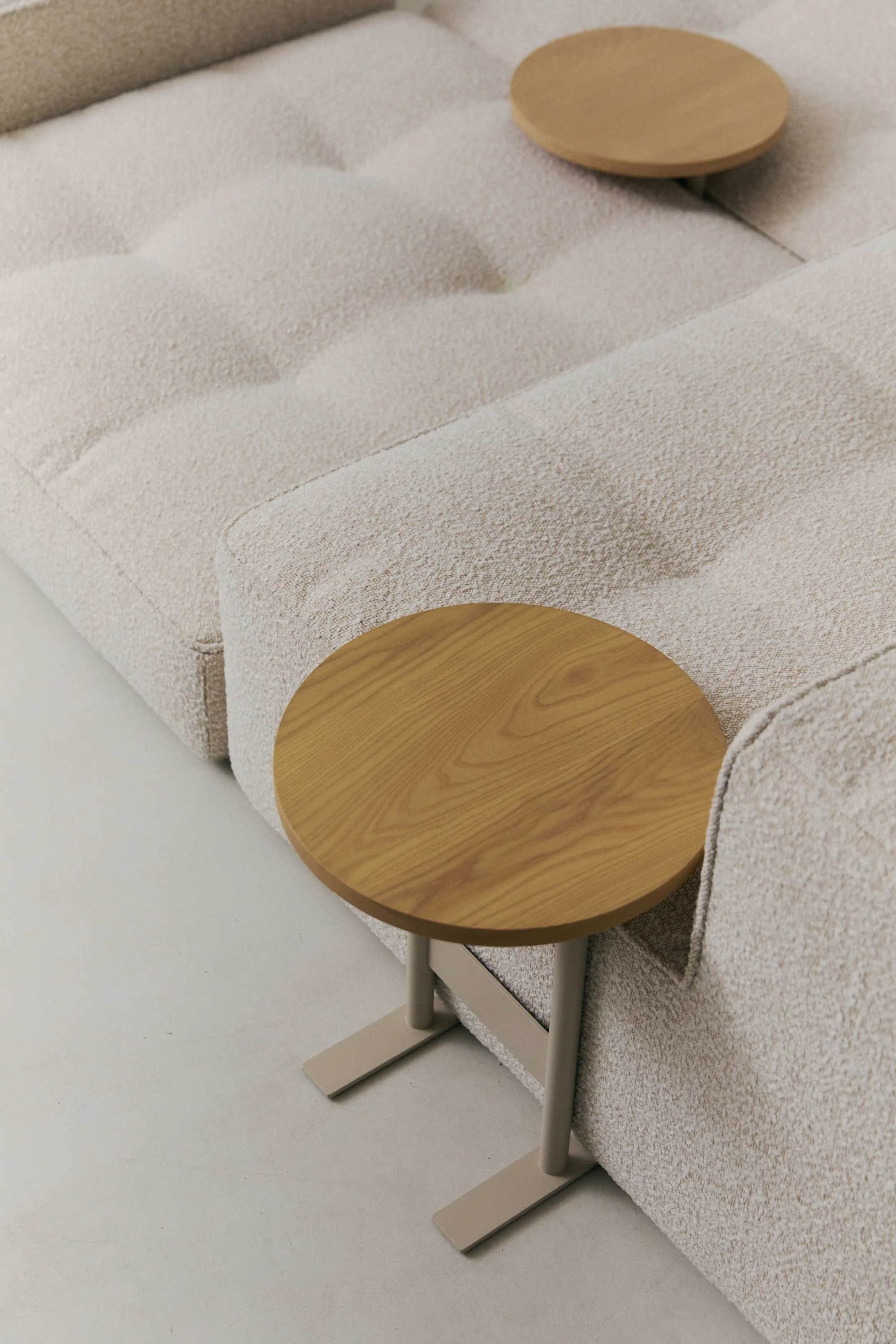
Aster & Didim, Note Design Studio
Seoul
Furniture
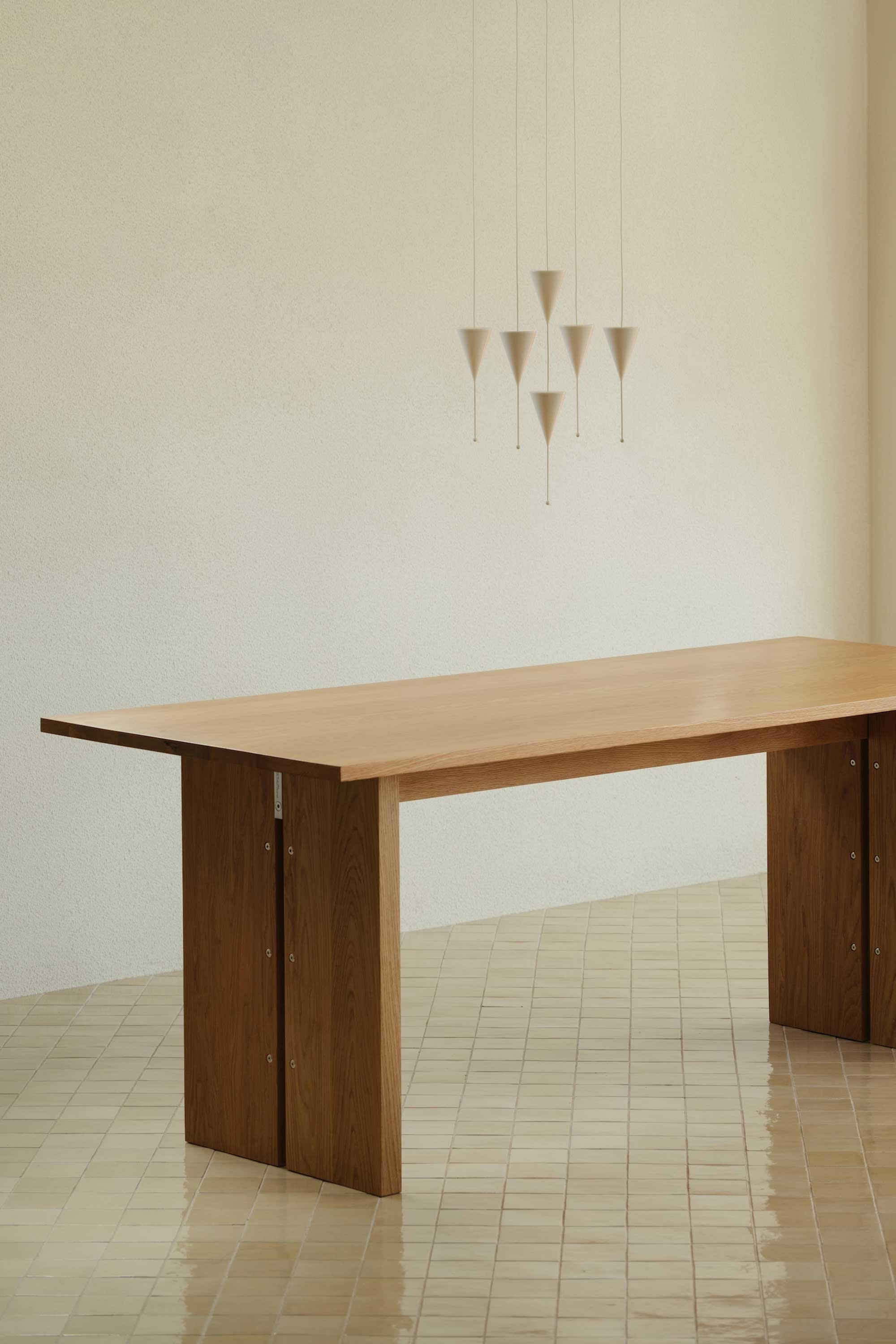
Stockholm studio Note Design Studio launched two products at the Seoul Living Design Fair this year, each developed with a different Korean partner. Aster, made with Ago Lighting, is a modular pendant system that scales from a single cone-shaped element to a larger ceiling composition — the form is spare, the effect architectural. Didim, made with furniture brand Alloso, is a low modular sofa system drawn from Korea's traditional floor-based living culture — specifically the madang (courtyard) and maru (wooden platform) of the hanok — and reconfigured for contemporary open-plan interiors.